How Internet Shutdowns Are Reshaping Sudan’s Economy
Africa’s Shutdown Culture: Why Sudan’s Prolonged Internet Blackouts Are Unsustainable

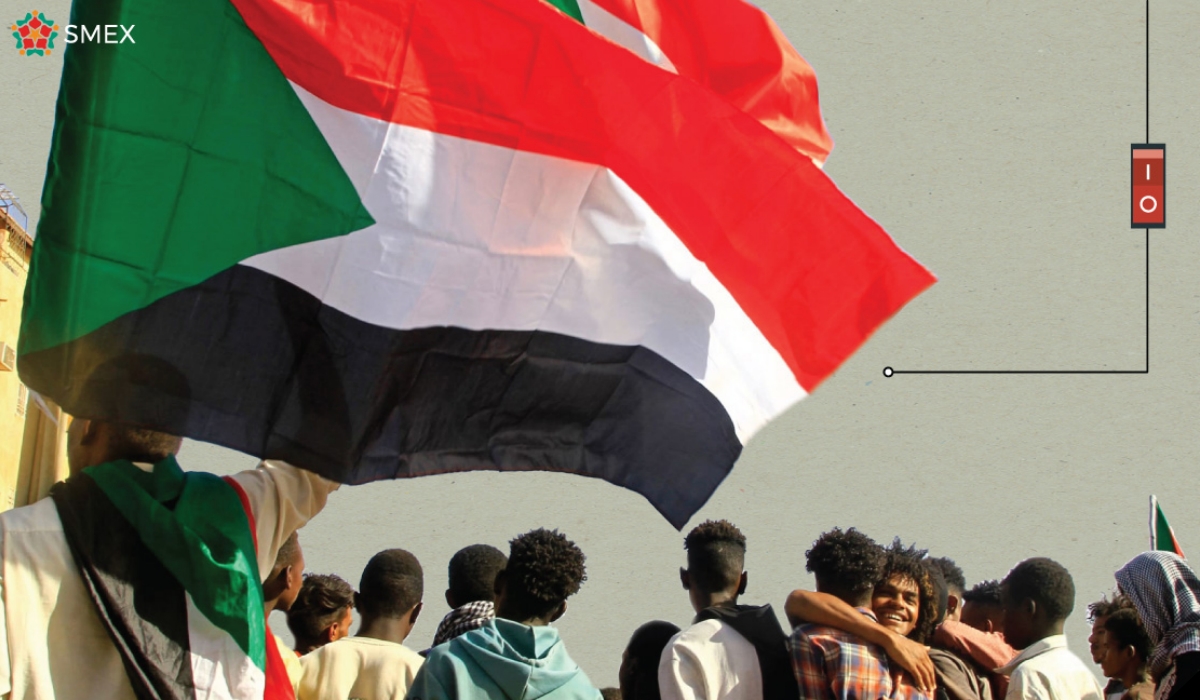 Internet shutdowns in Sudan have become a regular part of daily life. What were once temporary measures are now repeated events that disrupt work, communication, and access to essential services. These shutdowns affect both the economy and society, placing Sudan at the center of Africa’s growing trend of digital blackouts.
Businesses lose revenue when online transactions stop and operations are delayed. Many workers depend on digital platforms for income, making internet access a critical lifeline. Banks and financial services are also affected. Outages halt digital banking, delay remittances, and create instability in markets. Families relying on timely transfers face immediate financial strain.
Healthcare systems are disrupted as well. Hospitals rely on digital coordination to share patient information and manage care. When the internet is down, communication slows and emergency responses are delayed, creating inefficiencies in a sector where timing is critical.
Socially, families lose key communication channels, students miss online learning, and journalists struggle to verify information. Misinformation risks rise while access to reliable news declines.
Sudan’s shutdowns often last longer than those in other countries, sometimes for days or weeks. This turns temporary inconvenience into systemic disruption. Businesses struggle to recover lost work, and social systems cannot quickly resume normal operations.

Policy makers are increasingly questioning repeated shutdowns. While they may provide short-term control over information, the long-term costs are high. Investment slows, digital businesses face uncertainty, and entrepreneurs must navigate an unstable connectivity landscape. Investor confidence suffers, as stable internet is essential for modern economies.
By 2026, the conversation has shifted. The question is no longer whether shutdowns achieve short-term goals, but whether they can coexist with the needs of a modern, digitally connected economy. Each blackout disrupts daily life and weakens systems built on trust and continuity.
Sudan’s experience shows that internet shutdowns are no longer isolated policy tools. They are structural factors affecting economic performance and social stability. In a country where connectivity underpins almost every aspect of life, repeated digital blackouts are increasingly difficult to justify.