Subsea Cable Failure Leaves Millions Offline Across West Africa
One Cable, Millions Offline: What Ghana Learned Two Years After the 2024 Internet Outage

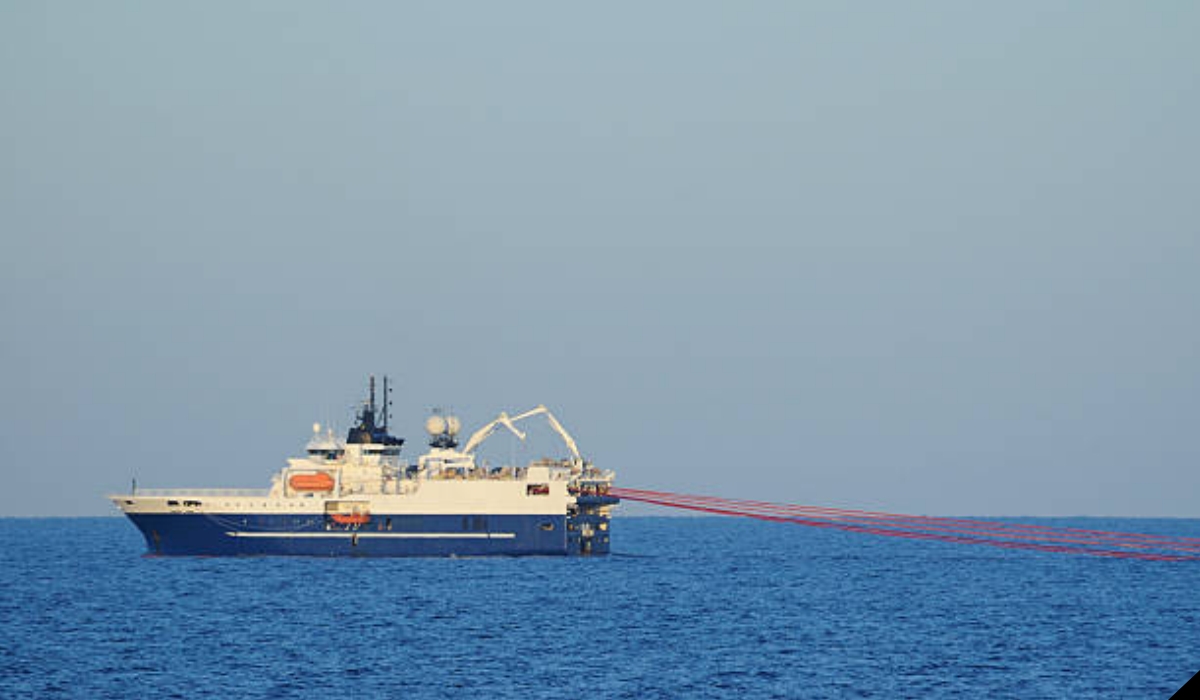 Ghana internet outage 2024 remains one of the most defining moments in West Africa’s digital evolution, exposing deep vulnerabilities while triggering a wave of infrastructure upgrades that continue to shape the region’s connectivity in 2026. What began as a sudden disruption along critical subsea cable routes quickly escalated into a widespread digital blackout, pushing millions offline and revealing how heavily Ghana and its regional peers depended on a narrow band of international internet infrastructure.
At the peak of the outage on March 14, 2024, the effects were immediate and far-reaching. Mobile money systems stalled, financial institutions reverted to manual processes, and businesses reliant on real-time connectivity experienced sharp operational disruptions. The incident was not just a technical failure; it was an economic shock that highlighted how deeply internet access had become embedded in everyday life and commerce across Ghana.
Two years later, the surface narrative is one of progress. Ghana’s internet ecosystem is faster, broader, and more resilient, supported by deliberate investments in redundancy and infrastructure expansion. The most visible shift has been in how data moves across networks. New subsea cable integrations, including capacity linked to the 2Africa network, have diversified traffic routes and reduced dependence on a single corridor. While risks have not disappeared, the system is no longer as exposed to a single point of failure as it was in 2024.
This transformation is also reflected in improved performance metrics. Internet penetration in Ghana has climbed above 70 percent, driven largely by mobile broadband expansion. At the same time, average connection speeds across West Africa have improved, supported by increased international bandwidth and stronger domestic fiber networks. Data affordability, though still uneven, has gradually improved in urban areas, making digital services more accessible to both consumers and businesses.
Beyond speed and access, the outage forced a deeper operational shift in how telecom networks are managed. In 2024, disruptions spread rapidly across systems with limited containment. By 2026, telecom operators are better equipped to reroute traffic in real time, isolate faults, and maintain partial service during international connectivity issues. This evolution in traffic management has reduced the likelihood of total network collapse, even when external links are compromised.
The impact of the outage also reshaped how internet infrastructure is viewed at a policy level. Where the conversation once focused primarily on expanding access, it now includes resilience, reliability, and protection. Ghana, alongside other West African countries, has begun treating subsea cables, landing stations, and fiber networks as critical national infrastructure. This shift has led to increased monitoring of key connectivity points, stronger collaboration between regulators and telecom providers, and early efforts to safeguard fiber routes from physical damage and disruption.
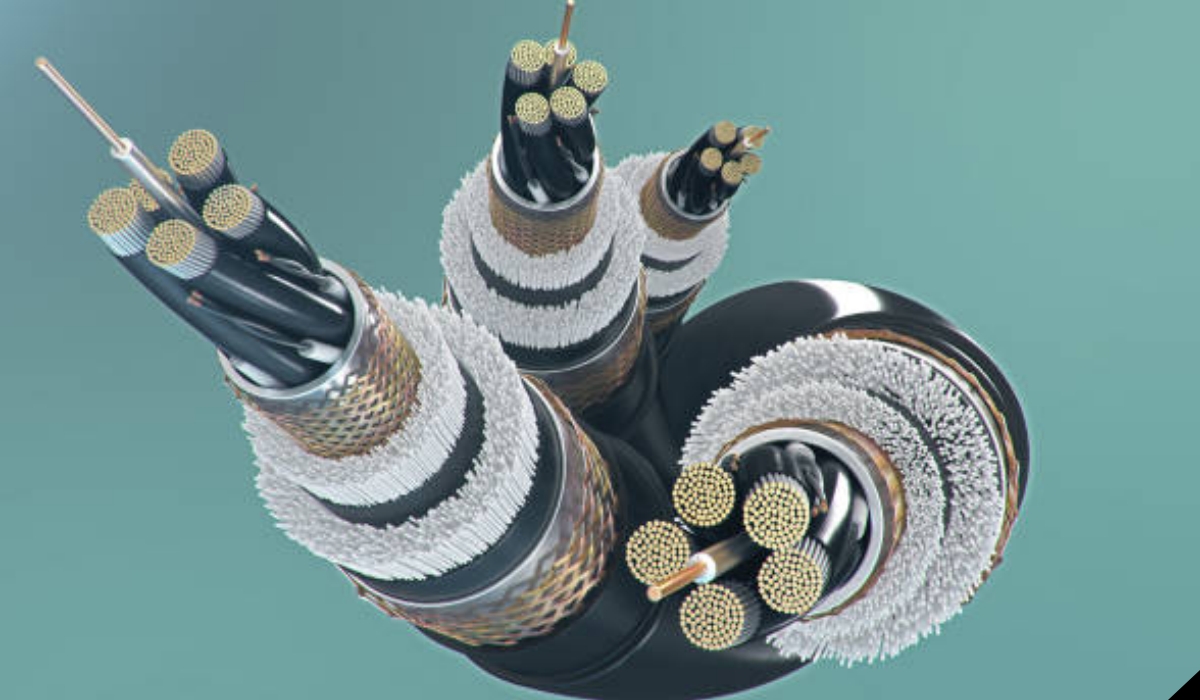 At the same time, there is growing momentum behind terrestrial fiber expansion. Inland fiber development is gradually creating alternative pathways for data, reducing reliance on coastal entry points that were previously seen as unavoidable chokepoints. Although this transition is still in its early stages, it signals a structural shift toward a more distributed and resilient network model.
Coordination, another major weakness exposed in 2024, has improved but remains a work in progress. The outage revealed how dependent national economies are on infrastructure controlled by multinational consortia, often located beyond direct government oversight. In response, regional collaboration has strengthened, with improved information sharing, more transparent repair processes, and a greater role for industry groups in incident response. Even so, full alignment remains limited by the cross-border nature of subsea infrastructure.
On the economic front, Ghana’s digital ecosystem has continued to expand despite the lessons of 2024. Mobile money usage has grown significantly, and digital platforms are now even more central to commerce, communication, and financial inclusion. Businesses, particularly larger enterprises, have adapted by adopting multi-network strategies, strengthening failover systems, and reducing reliance on single providers. Some small and medium-sized businesses have also begun integrating offline-capable tools and hybrid payment models, though adoption remains uneven.
The broader data across Africa reinforces this trajectory. International bandwidth into the continent has more than doubled over the past five years, driven by new cable systems and ongoing upgrades. Internet penetration continues to rise steadily, with mobile broadband leading the way. Regions that have invested in redundancy are seeing fewer large-scale outages tied to single points of failure. However, structural risks persist, particularly the concentration of infrastructure along coastal routes and the pace at which digital adoption is outstripping long-term infrastructure planning.
The lasting impact of the Ghana internet outage 2024 is not that it slowed digital growth, but that it forced a necessary recalibration. It exposed the gap between rapid adoption and system resilience, prompting governments, operators, and businesses to rethink how connectivity is built and maintained.
In 2026, Ghana’s internet is more robust, better managed, and less fragile than it was two years earlier. Yet the core lesson remains unchanged. The system has improved, but it is not immune to disruption. The conversation has evolved from expanding access to ensuring continuity, from connecting more users to sustaining the networks they depend on.
That shift in perspective may ultimately define the next phase of Africa’s digital transformation, where growth is no longer measured by reach alone, but by the strength and reliability of the systems behind it.