Digital Blackouts in Africa: The Growing Use of Internet Shutdowns to Shape Politics
Why Tanzania’s 2025 Crackdowns Signal a Bigger Trend

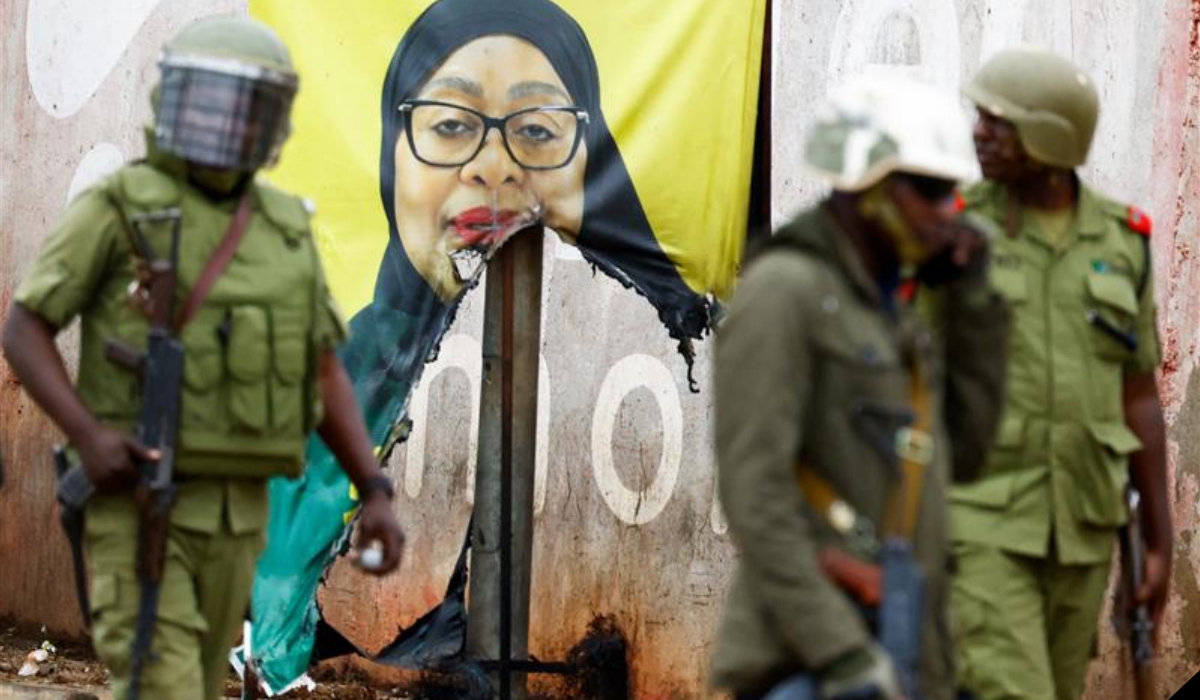 Tanzania internet shutdowns have brought renewed attention to a growing pattern across Africa, where digital blackouts are increasingly used as a tool to manage political tension and control public discourse. As the country moved closer to its general elections, users began to notice familiar disruptions: slower social media platforms, unreliable messaging apps, and in critical moments, restricted access to the internet itself.
While authorities have consistently framed these measures as necessary to maintain public order and national security, their timing has raised broader concerns about intent and impact. In Tanzania, as in several other African countries, internet shutdowns have evolved over the past five years from reactive responses into more structured and predictable interventions, often aligned with elections, protests, or periods of heightened political sensitivity.
The underlying strategy is clear. In an era where digital platforms shape public opinion in real time, controlling access to information can directly influence how events are perceived and discussed. Social media has become central to political engagement, enabling citizens to organize, share information, and amplify dissent. Restricting that access limits coordination among opposition groups and slows the spread of narratives that may challenge official positions.
However, the consequences extend well beyond the political sphere. Tanzania’s digital economy relies heavily on mobile connectivity, making internet access a critical layer of everyday activity. When shutdowns occur, the disruption is immediate and widespread. Traders are unable to process digital payments, businesses lose access to online marketplaces, and financial transactions are delayed. Journalists face challenges in verifying information, while citizens are cut off from communication channels that have become essential for both economic and social interaction.
This year, what stands out is not just the frequency of these shutdowns, but their normalization. Measures that once sparked public debate are increasingly treated as routine components of governance. This shift reflects a broader trend across Africa, where governments are refining their ability to manage digital ecosystems during politically sensitive periods without fully dismantling connectivity for extended durations.
 The legal framework surrounding these actions remains complex. Governments often rely on national security and public safety laws to justify restrictions, but oversight mechanisms are limited. In Tanzania, as in many parts of the region, regulatory bodies tend to operate within structures that align closely with executive authority. Judicial intervention is rare, and transparency around shutdown decisions is often minimal, leaving citizens and businesses with little clarity or recourse.
At the same time, the economic implications are becoming harder to ignore. As digital adoption accelerates, the cost of shutdowns increases. E-commerce platforms, fintech services, and digital media businesses all depend on consistent connectivity to function effectively. Interruptions not only affect immediate transactions but also erode trust in the reliability of digital systems, which can slow long-term investment and innovation.
This creates a tension at the heart of Tanzania’s digital future. On one hand, the country is advancing in mobile connectivity, financial inclusion, and digital services. On the other, the unpredictability of internet access introduces a layer of risk that can undermine those gains. For businesses, particularly small and medium-sized enterprises, the inability to rely on stable connectivity complicates growth and limits their ability to fully participate in the digital economy.
The broader African context reinforces this dynamic. Internet shutdowns are no longer isolated incidents but part of a wider governance approach that balances political control with digital expansion. While some governments are investing heavily in infrastructure and digital transformation, they are also developing mechanisms to selectively restrict access when necessary.
The long-term question is whether these two trajectories can coexist. A thriving digital economy depends on trust, consistency, and open access to information. Frequent or unpredictable shutdowns introduce friction into that system, affecting everything from investor confidence to user behavior.
Tanzania’s experience in October captures this tension in real time. The country is not alone in navigating these challenges, but its approach reflects a broader shift in how digital tools are being integrated into governance across the continent. Internet shutdowns are no longer exceptional events; they are becoming embedded in the political landscape.
As Africa’s digital ecosystem continues to expand, the balance between control and connectivity will define the next phase of growth. For Tanzania, the outcome will influence not only the integrity of its political processes but also the resilience and credibility of its digital economy in the years ahead.