East & Central
Mbadi Delivers First Budget as Kenya Targets Ksh 2.7 Trillion in Taxes
Kenya Unveils Ksh 4.2 Trillion Budget: What It Means for Citizens and the Economy

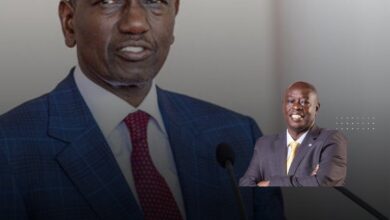
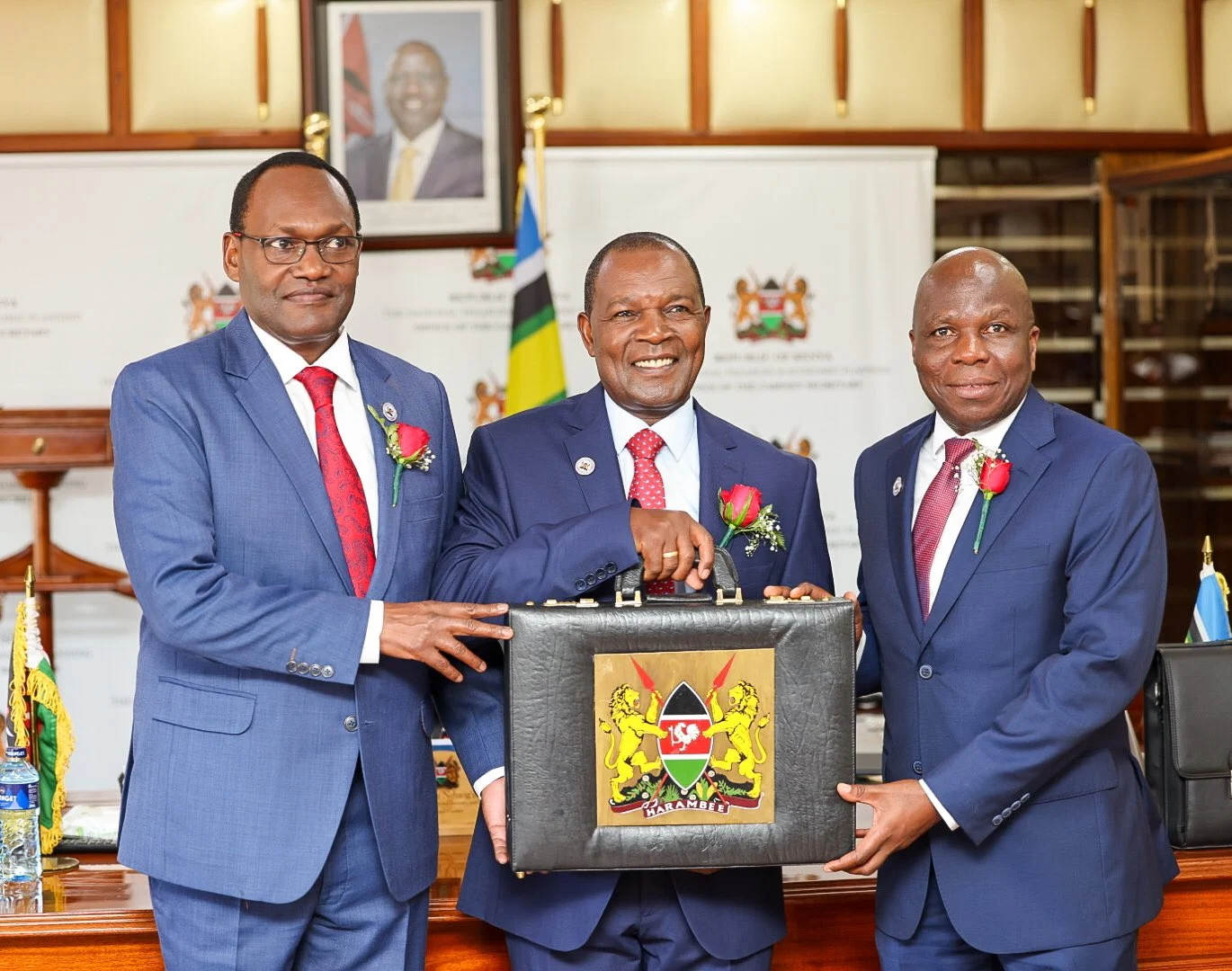
 Kenya has unveiled a record Ksh 4.2 trillion national budget for the 2025/2026 financial year, marking a pivotal fiscal moment for President William Ruto’s administration. Presented by Treasury Cabinet Secretary John Mbadi in his first budget speech, the plan outlines how the government will balance growing public demands against limited financial headroom.
At the core of the proposal is an ambitious revenue target of Ksh 2.7 trillion—roughly 64% of the entire budget. Additional funding is expected through Appropriations-in-Aid (Ksh 560 billion) and foreign grants (Ksh 46.9 billion). Combined, the government hopes to raise Ksh.3.3 trillion—still Ksh 876 billion short of what’s needed.
To plug the deficit, Mbadi outlined a borrowing strategy:
- Ksh 592 billion from domestic sources
- Ksh 284 billion from external lenders, including development partners
The Treasury insists this approach is designed to limit external debt exposure while stimulating local capital markets—a careful balancing act amid economic pressure.
Mbadi also defended the controversial plan to give Kenya Revenue Authority (KRA) access to citizens’ data from key service providers.
“We cannot rely on voluntary tax compliance alone,” he said.
“This is not about control—it’s about accountability and responsibility.”
The new data-sharing push is part of broader efforts to curb tax evasion and meet the aggressive KRA revenue targets.
 What’s in the Budget for Citizens and Businesses?
The 2025/26 budget outlines major allocations in:
- Education: funding for free primary and secondary schooling, and expansion of TVETs
- Health: digitization of public hospitals and UHC infrastructure
- Infrastructure: priority roads, digital connectivity, water access, and power grid expansion
However, Kenyans should prepare for:
- Price hikes on essential goods due to new levies
- Stricter tax enforcement and compliance audits
- Slower debt-funded subsidies and bailouts
With inflationary pressure still affecting household incomes, the budget’s development-heavy and tax-reliant approach may test public patience.
This budget signals the Ruto administration’s continued commitment to fiscal consolidation, even as it ramps up public sector spending. Mbadi’s focus on tax reform, debt management, and domestic borrowing suggests a long-term strategy to stabilize Kenya’s economy without over-relying on foreign aid.
As Kenya navigates debt repayments, food inflation, and social demands, the 2025/26 budget is not just an economic roadmap—it’s a test of trust in the government’s ability to deliver on its promises.