Dreams Beyond Borders: Youth-Led Stories Reshaping Education in Africa
How Africa’s Youth Are Reshaping the Future of Education
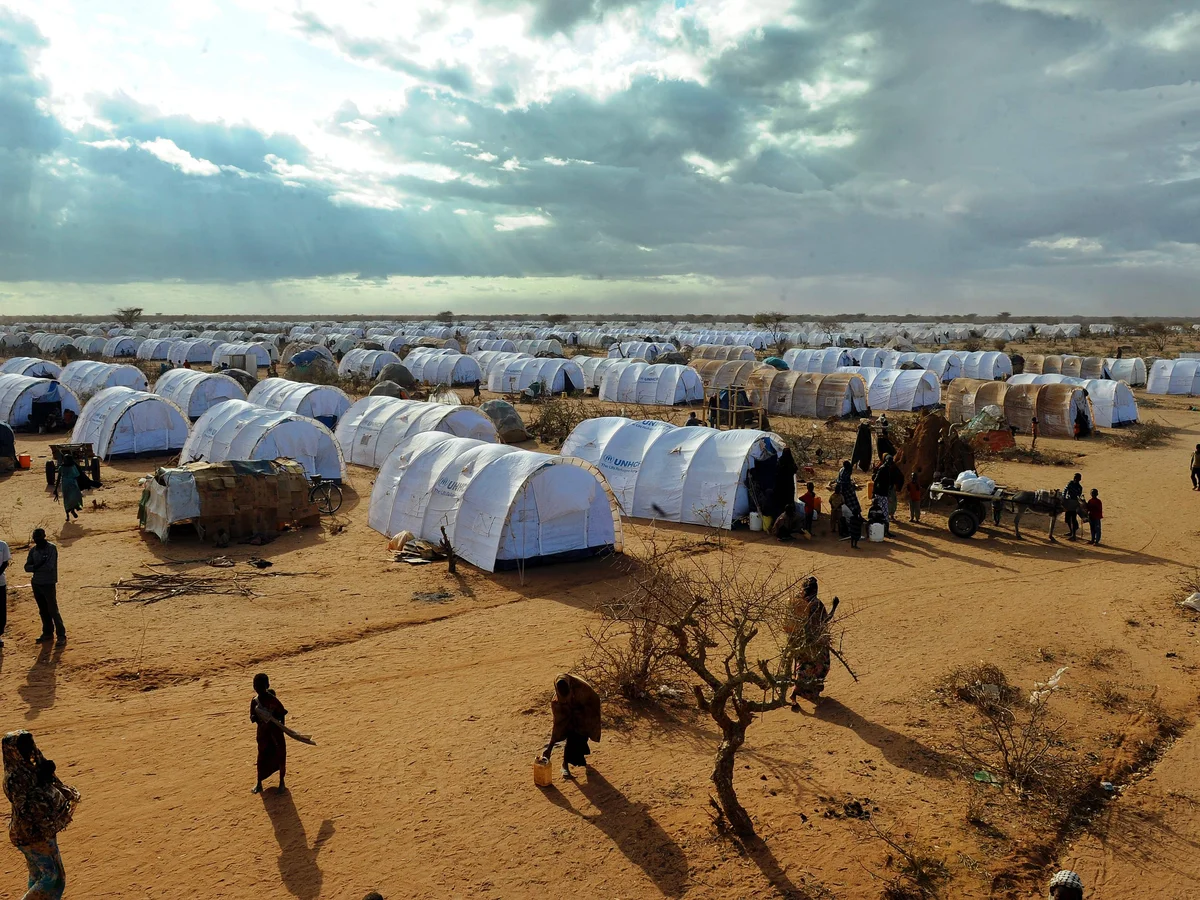 They aren’t just students. They’re leaders, coders, activists, and hope-builders. Meet the generation rewriting Africa’s education narrative—from refugee camps to remote villages.
When 17-year-old Amina Abdul first walked into a dusty classroom in Dadaab Refugee Camp, she couldn’t spell her name in English. Five years later, she’s preparing to enter university in Nairobi, dreaming of becoming a civil rights lawyer.
“Education gave me a second birth,” she says.
Her story is one of millions. From the slums of Kibera to the heat-struck tents of Bidi Bidi in Uganda, a youth-led revolution is unfolding—quietly, urgently, powerfully.
Africa is home to the youngest population on Earth: over 60% are under 25, according to UNESCO. Yet a staggering 98 million children and youth in sub-Saharan Africa remain out of school.
Still, young people across the continent are not waiting. They’re becoming teachers, advocates, and creators—not just consumers of education, but architects of its future.
 Refugees Refusing to Be Left Behind
Access to education is even tougher in refugee contexts. Globally, just 6% of refugee youth reach university. But across East Africa, that’s beginning to change.
In Uganda’s Bidi Bidi settlement, 22-year-old Mary Ajok runs a literacy circle for young girls.
“Most of our girls are told to marry early. But when they see me applying for university, they believe there’s another way,” she says.
With limited electricity and no reliable internet, Mary teaches by flashlight, chalk, and courage.
In Nairobi’s Kibera slum, students at the Tunapanda Institute are mastering coding and digital storytelling. Some now earn online income as freelancers, building careers from broken systems.
But many still live in digital deserts.
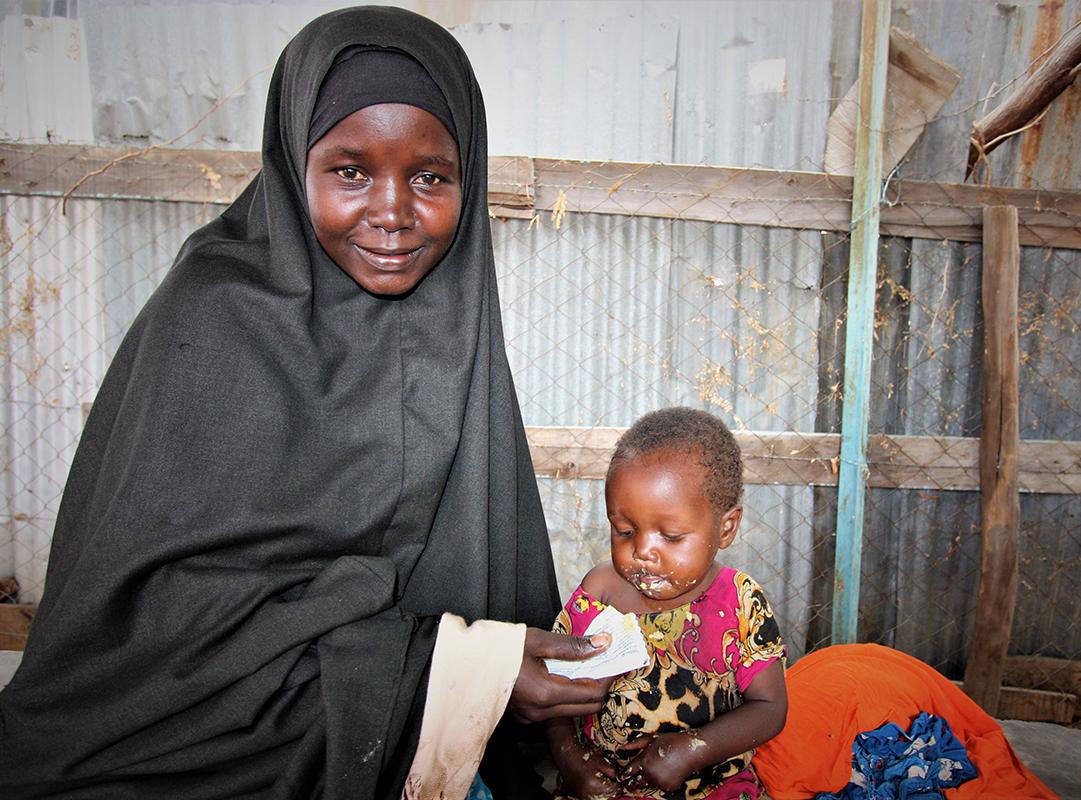
In rural Mali, Fatoumata Traoré walks 10 kilometres to charge her phone so she can access lessons via WhatsApp.
“When the signal is strong, it feels like the world opens up,” she says.
According to UNICEF, just 33% of schools in sub-Saharan Africa have electricity, let alone internet.
With Africa’s population set to double by 2050, the education question is urgent—not just how to teach, but how to empower.
“I want to defend the right to learn,” says Amina.
“Because I know what it means to be forgotten.”
In their struggles and triumphs, this new generation offers not just resilience but a roadmap for the continent’s future.