Soft Living and the Rise of Africa’s New Wellness Economy
Why Africa’s Young Professionals Are Rejecting Hustle Culture
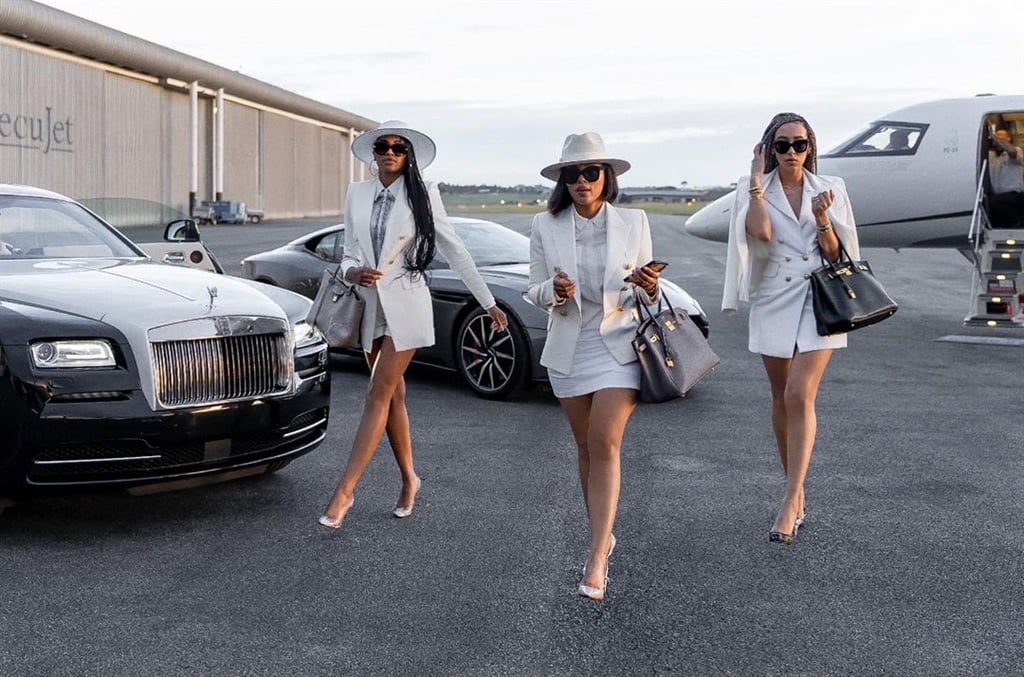 Across major African cities, a quiet but powerful shift is underway. From Nairobi and Lagos to Accra, young urban professionals are rejecting hustle culture in favour of what’s being called “soft living”—a lifestyle rooted in wellness, balance, and emotional well-being.
What began as a niche movement during the COVID-19 pandemic has grown into a full-scale cultural and commercial shift. Today, soft living is no longer just a social media aesthetic—it’s reshaping how wellness businesses operate across the continent.
From Burnout to Balance
Influencers on Instagram and TikTok have played a key role in popularizing the movement. Their curated posts on self-care, rest, financial independence, and slow living have redefined success for many across Africa’s growing middle class.
A new value system is taking shape—one that prioritizes peace over pressure, rest over hustle, and mental clarity over exhaustion. In cities like Nairobi, Lagos, and Accra, this ethos is not only shifting mindsets but also creating new business models.
African entrepreneurs are tapping into this rising demand for intentional living. In Nairobi’s Kilimani district, wellness cafés like Pallet Café now offer detox juices, plant-based menus, and mindfulness sessions. In Lagos, clubs like SweatBox and Eden Life have reimagined luxury fitness as an experience of calm, restoration, and mental clarity.
 Wellness Becomes a Growth Industry
A 2024 report by the Africa Wellness Initiative showed a 12% growth in spa and wellness tourism across sub-Saharan Africa. From mobile massage services and yoga studios to subscription-based wellness boxes and boutique retreats, the wellness economy is booming, especially in middle-income neighbourhoods.
What makes Africa’s soft life movement unique is its cultural grounding. In Accra, Ayo Botanicals fuses tradition with innovation by producing skincare from native ingredients like shea butter and baobab oil. Other businesses are reviving African herbal therapies, traditional meditation techniques, and age-old healing rituals—blending ancestral knowledge with modern wellness.
By localizing the global wellness trend, these businesses are not only thriving but also preserving cultural identity in an evolving marketplace.
Critics argue that soft living is still largely urban and middle-class, raising concerns about inclusivity. Others see it as a social media-driven fantasy detached from everyday African struggles.
 Yet, supporters view it as a long-overdue correction to decades of economic stress and mental health neglect. For many, choosing rest, saying no to burnout, and redefining ambition is not just a trend—it’s survival. And even some African employers are adapting, offering mental health days and wellness stipends in a shift that would have been unthinkable just five years ago.
Soft living is becoming a new language of aspiration for African professionals. The definition of success is shifting—from career aggression to sustainable living, from material wealth to mental health.
For businesses, this isn’t just another lifestyle trend to observe—it’s a cultural reset they must engage with. In a competitive urban market increasingly choosing peace over pressure, those who design with wellness, culture, and intentionality in mind are finding space to grow.