African Culture: Weaving Tradition, Identity, and Strength Together
African Culture: A Living Tapestry of Tradition, Identity, and Resilience
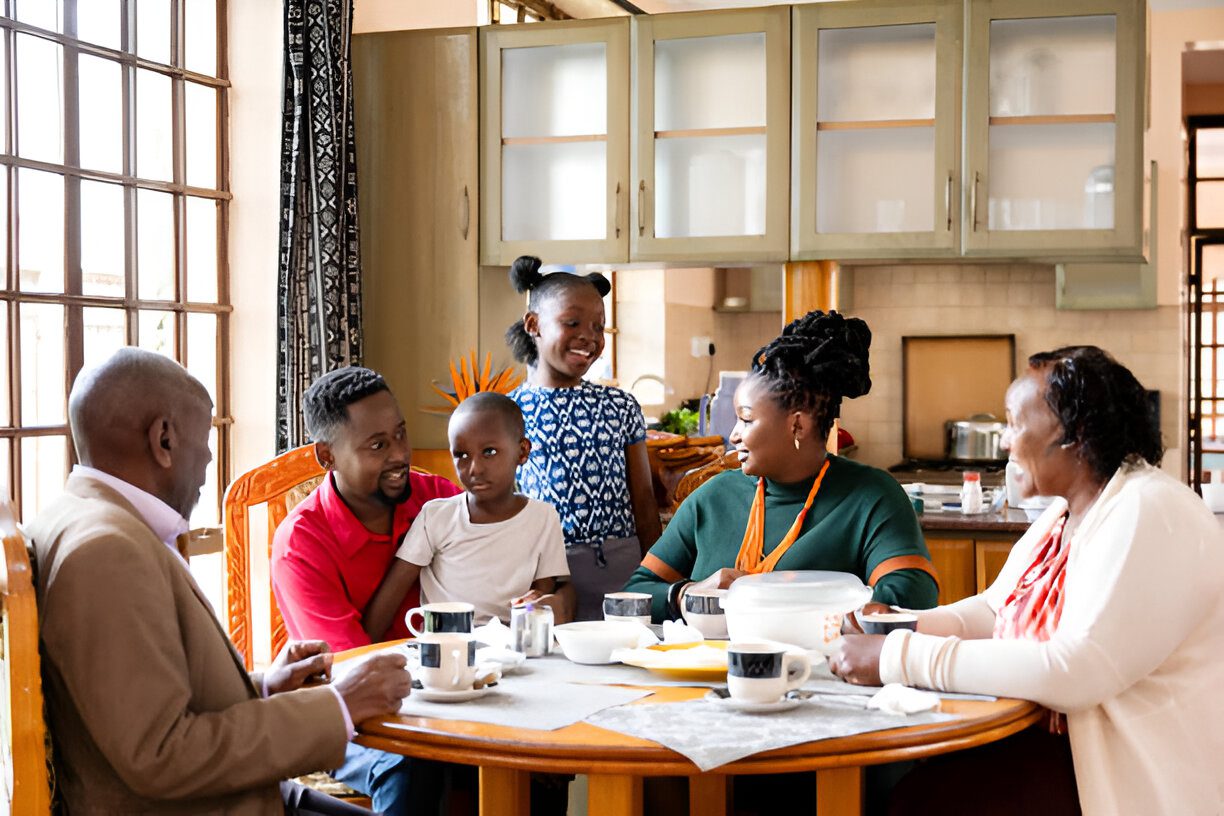
From the rhythm of the djembe in West Africa to the beaded regalia of the Zulu in the south, African culture defies singular definition. It is a living, breathing force that pulses through the continent’s music, language, dress, and spirituality. As the world races toward globalization, Africa continues to preserve and reinvent its heritage, demonstrating resilience, pride, and an evolving sense of identity.
Before the advent of the printed word, there were griots—traditional storytellers, historians, and praise singers—who preserved centuries of knowledge through their performances. In countries such as Mali and Senegal, griots remain important cultural figures, offering historical narratives and tracing family lineages at weddings and funerals. This oral transmission reflects the communal spirit of African societies, where history is not just recorded but lived.
Language and Identity
Africa is home to over 2,000 languages, a linguistic diversity unmatched anywhere in the world. Kiswahili, Amharic, Yoruba, Twi, Zulu, and Hausa are just a few major tongues that reflect deep cultural histories. In post-colonial societies, language is often a tool of both resistance and reconnection. Many youth movements are reclaiming indigenous languages as acts of cultural pride.
Music in Africa is more than entertainment; it is a means of communication, protest, celebration, and healing. From Afrobeat to Amapiano, African rhythms now dominate global airwaves. Yet traditional music and dances like the Agbekor of Ghana or the Mask Dance of Burkina Faso still thrive at community events, ensuring continuity across generations.

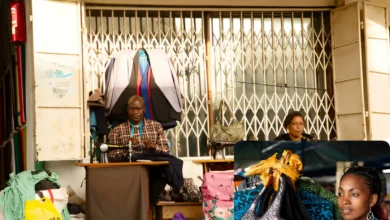
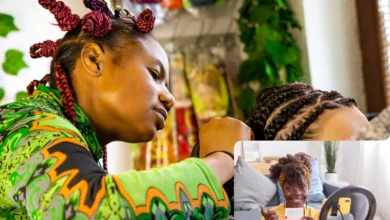
Across Africa, attire often tells a story. In Nigeria, Ankara fabrics signal everything from family status to social occasion. The Maasai shuka in Kenya or the Basotho blanket in Lesotho are not just garments but symbols of identity and heritage. Today’s African designers are fusing tradition with high fashion, showcasing their work on international runways while keeping cultural motifs alive.
Spirituality and Rituals
African spirituality is rich and diverse, from Vodun in Benin to ancestral worship in Southern Africa. These systems coexist with Christianity and Islam, forming unique religious hybrids. Rituals such as libation pouring or initiation ceremonies continue to anchor communities in spiritual continuity, even as modernity reshapes belief systems.
African culture is not static. It is continually influenced by migration, diaspora, urbanization, and technology. But at its core, it remains a powerful force of identity, resilience, and creativity. Whether expressed through art, language, or everyday practices, African culture continues to shape not only the continent but the world.