Women-Led Businesses Are Powering Africa’s Informal Economy
Women in Business: The New Face of African Economic Growth
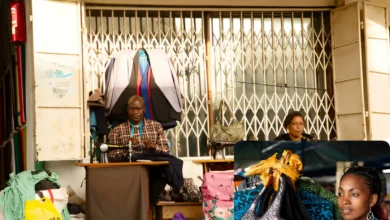
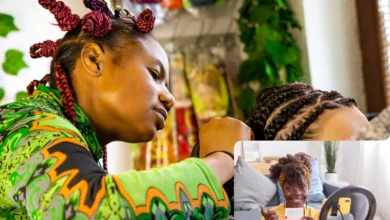
 Women-led businesses are reshaping Africa’s economy, from informal startups to formal ventures. Across African cities and towns, more women are stepping into the business world—not just as traders, but as founders, leaders, and employers. From tailoring shops in Accra to food kiosks in Nairobi and digital boutiques in Lagos, women-led businesses in Africa are becoming vital engines of economic activity and local development.
Recent data from Kenya’s 2023 MSME survey reveals that nearly half of all micro-businesses in the country are owned and run by women. These ventures span a wide range of sectors—salons, grocery stalls, food processing, fashion, and digital services. While many of these enterprises remain informal, their impact is undeniable. They generate income, provide employment, and meet essential community needs.
The rise in African female entrepreneurs is driven by a blend of economic necessity and emerging opportunities. In the face of limited formal job openings and rising living costs, self-employment offers a path toward income security. Technology has played a key role—particularly mobile phones, mobile money, and social media platforms. With these tools, women are selling goods, marketing services, and reaching new customers without needing expensive storefronts.
In Nigeria, Instagram-based shops run by women are thriving, selling everything from hair products to handmade crafts. In Ghana, WhatsApp groups double as customer lists for pastry chefs and fashion designers. This digital shift is making entrepreneurship in Africa more accessible, even to women with limited capital.
Support programs are also making a difference. Across several African countries, NGOs and government initiatives now offer targeted business training and microloans tailored for women. Women’s savings groups, common across both rural and urban settings, continue to be a reliable source of startup capital and emergency funds. These groups not only provide finance but also foster accountability, mentorship, and social capital.
 Still, challenges remain. One of the biggest is access to formal credit. Many women lack the collateral, credit history, or documentation needed to qualify for bank loans. Family responsibilities—especially childcare—also create constraints, making it difficult to scale or even sustain a business. And despite the surge in numbers, most women-led ventures remain micro in size, often with little support staff and narrow margins.
In Rwanda, efforts to change this have gained traction. A government initiative has helped more than 4,000 women formalize their businesses over the past year, offering legal registration, tax support, and marketing assistance. In Ghana’s agricultural sector, women farmers are forming cooperatives to pool resources and negotiate better market access. These success stories suggest that with the right support, women in business can move beyond survival mode to sustainable growth.
Experts emphasize that investing in women entrepreneurs is not just good social policy—it’s smart economics. Women tend to reinvest in their communities, support education, and improve household welfare. When women’s economic empowerment is prioritized, the ripple effects benefit society at large.
There is, however, room for deeper reform. Policymakers must ensure that financial products, tax regulations, and legal frameworks reflect the realities faced by women. Tailored training, flexible loan schemes, and inclusive economic policies could unlock new growth for millions of female-led ventures.
Whether they’re baking pastries in a backyard kitchen, sewing garments in a small studio, or leading logistics companies in growing cities, African women are quietly and steadily changing the continent’s business landscape. Their stories are not just about resilience—they’re about transformation.