Side Hustles Are Reshaping Urban Work in Africa
The Rise of Side Hustles: How Africans Are Rewriting the Rules of Work

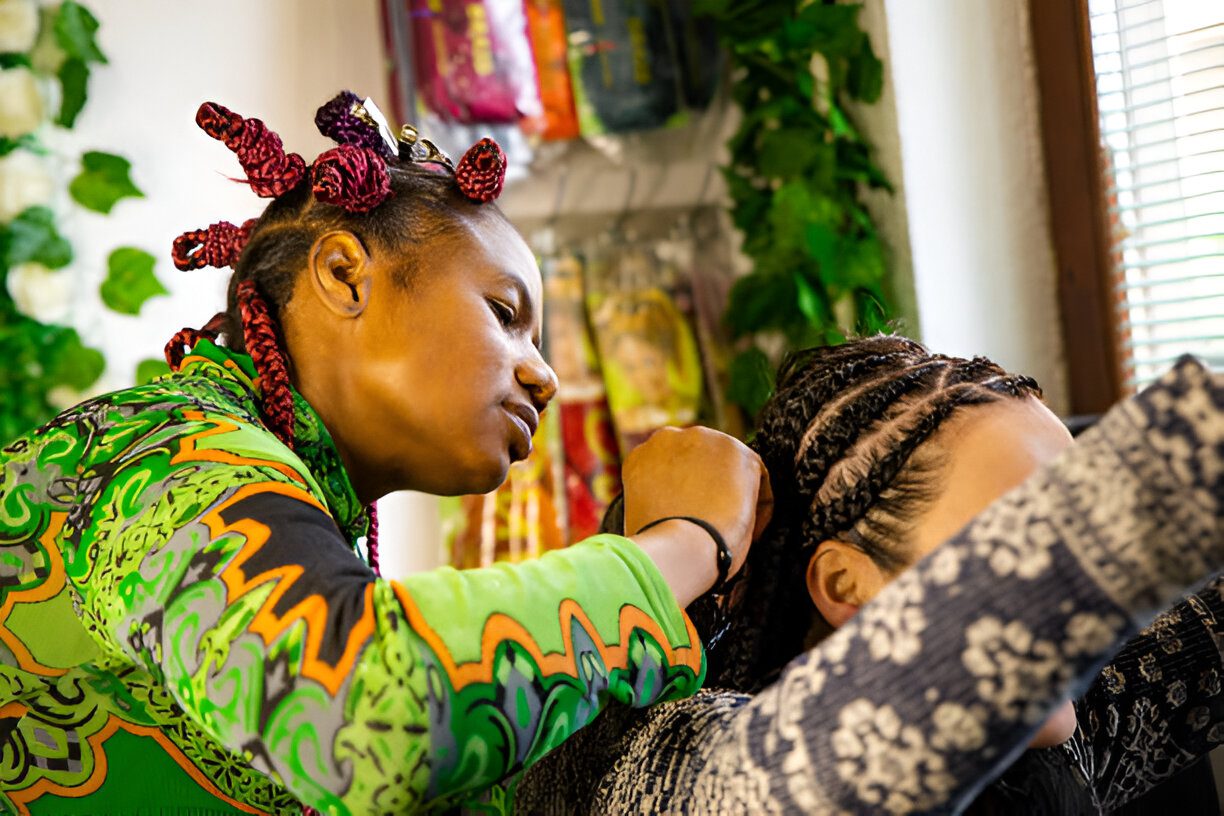 In urban and peri-urban areas across Africa, the traditional idea of holding a single job is steadily eroding. Increasingly, employed individuals are turning to side businesses, commonly called side hustles, as a financial buffer against economic uncertainty and rising living costs.
In cities like Nairobi, Dar es Salaam, Lagos, and Accra, it’s no longer surprising to find government workers selling household goods online, teachers running hair salons after school, or corporate employees making deliveries on weekends. While supplementary income has long existed, recent inflationary pressures and stagnant wages have turned side hustles from an option into a necessity.
According to regional labor reports, factors such as slow wage growth, unemployment, and currency depreciation are driving this shift. Kenya’s 2024 Economic Survey noted that real wage growth in the formal sector has trailed behind inflation for three straight years—leaving many workers with shrinking purchasing power.
This gap has fueled a surge in informal, mobile-based, and self-managed work. Popular side gigs include food delivery, clothing resale, cosmetics distribution, farming, freelance writing, and ride-hailing services. Thanks to mobile money and digital marketplaces, many of these businesses can be launched with minimal startup costs and scaled via social media.
 However, time management remains a key challenge. Workers are increasingly stretched, juggling day jobs with night shifts and weekend deliveries. Many report physical and emotional fatigue, though few admit it publicly due to fear of workplace backlash or societal pressure.
Despite these strains, financial obligations such as rent, school fees, and daily expenses keep workers committed to side ventures. In cities like Kampala and Kigali, officials report growing evening entrepreneurship, especially in residential areas, signaling the rise of a quiet but widespread economic shift.
Interestingly, some employers are taking notice. While a few companies are now offering flexible work arrangements, others enforce strict clauses against outside business activity. Labour regulations across many African nations remain vague on the legality of side hustles—leaving decisions up to individual employment contracts.
Though no central database tracks the number of salaried workers running side gigs, economic analysts agree: side hustling is no longer a fallback plan—it’s a defining feature of modern working life.
For many young Africans, these side businesses represent more than financial survival. They offer a creative outlet, an entrepreneurial path, and a sense of ownership outside the constraints of formal employment. Some grow into full-time ventures, redefining what career success means in a volatile economy.
In a landscape where one job is no longer enough, Africa’s side hustle economy continues to grow—quietly, persistently, and with transformative potential.