How Tailors and Second-Hand Markets Are Shaping Fashion in Africa
Comfort and Durability Guide Clothing Choices in African Cities

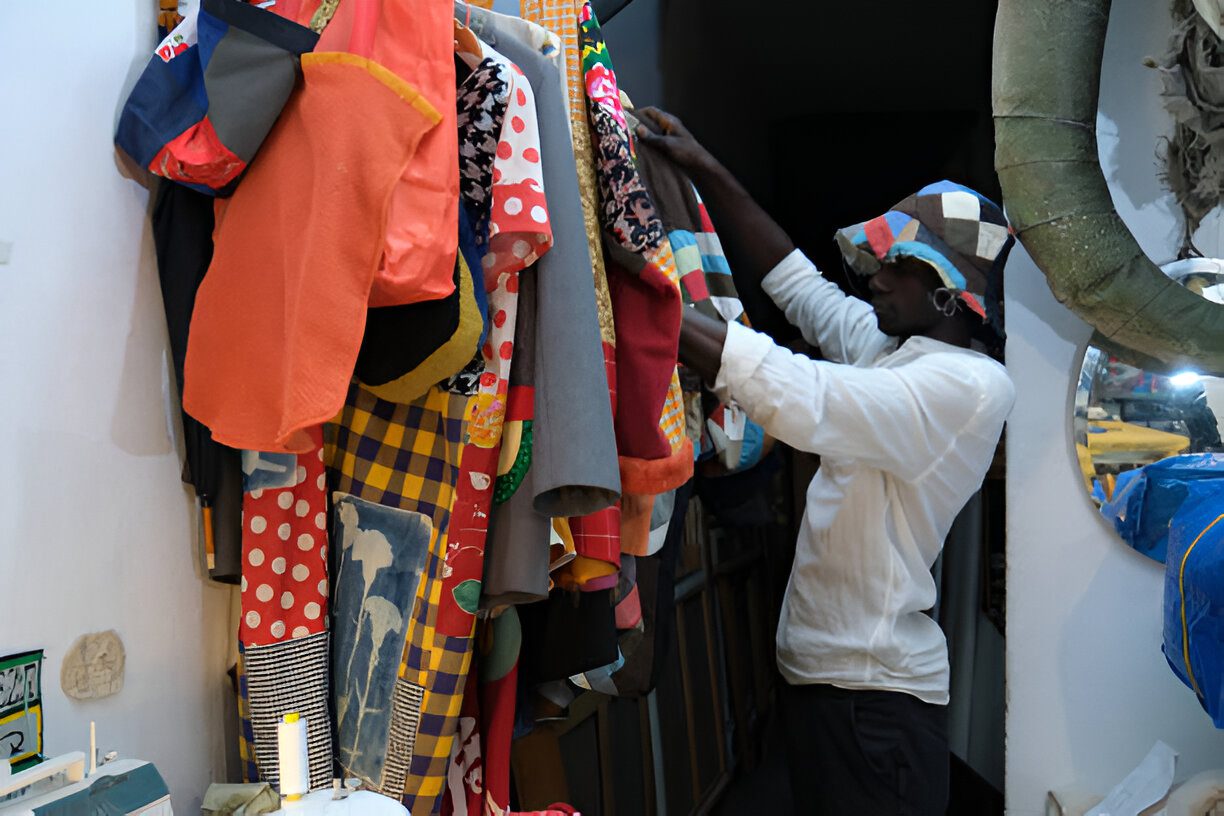 In tailoring shops, markets, and retail stalls across African cities, one trend remains constant: practical fashion continues to dominate consumer choices. Buyers consistently prioritize clothing that offers comfort, versatility, and durability over seasonal styles or high fashion trends.
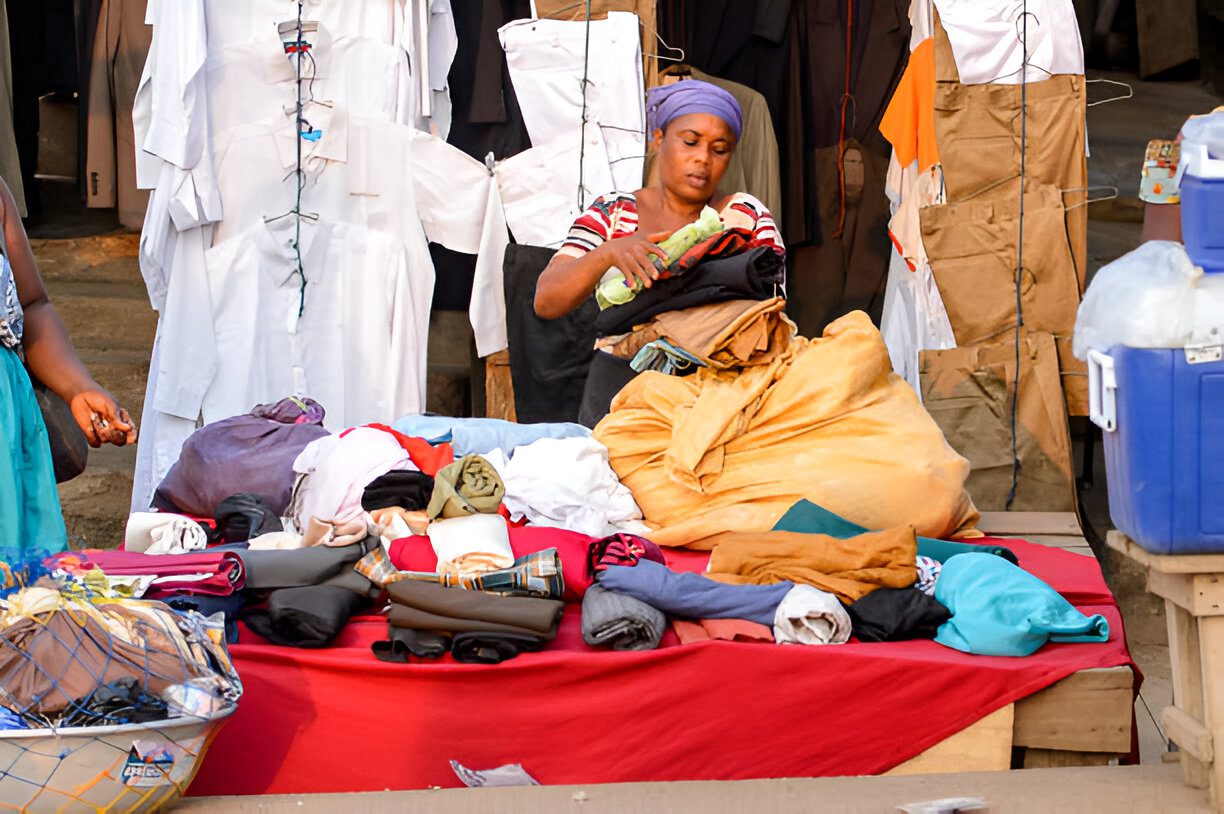
Neutral tones—navy, black, beige, grey—are staples in second-hand markets like Gikomba in Nairobi or Owino in Kampala. These garments, often made from cotton, denim, or linen, are chosen not for style statements but for their ability to move between formal, work, and casual settings with ease.
 Tailors and Second-Hand Markets Are Shaping Fashion in Africa
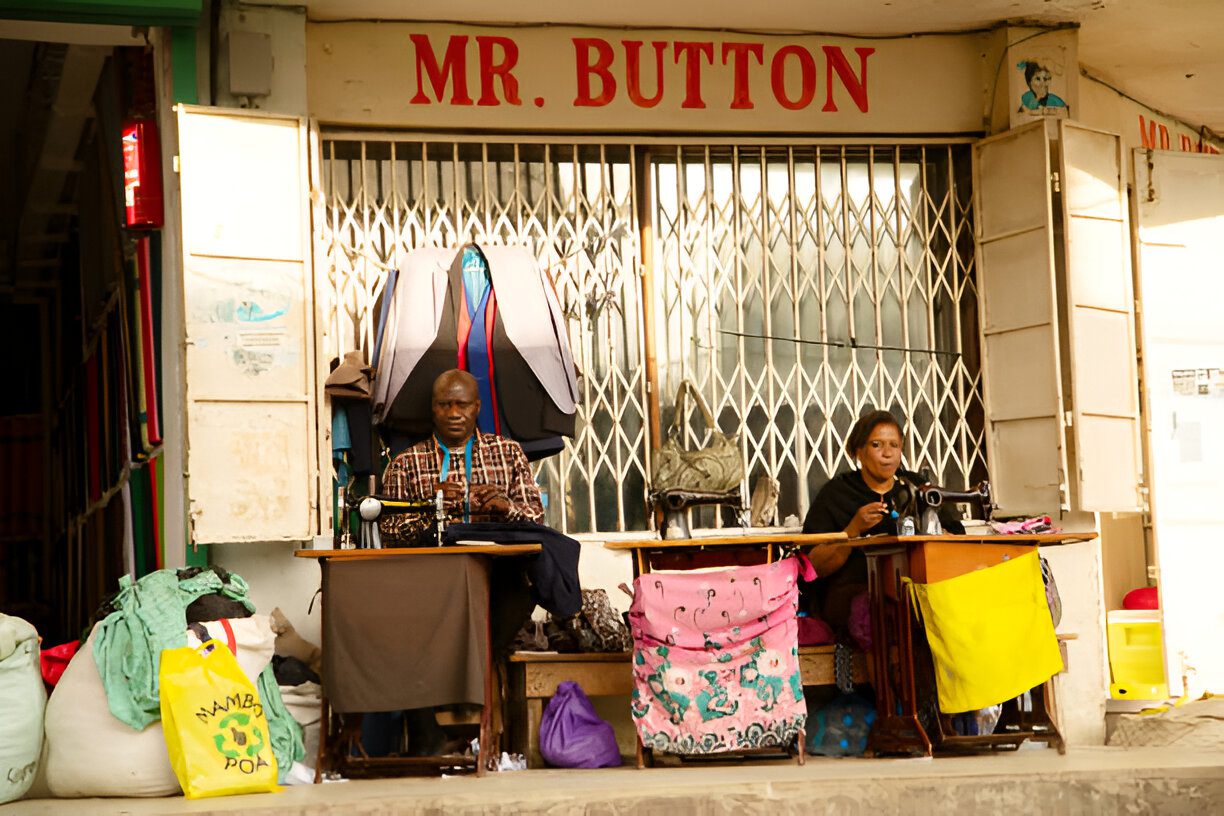
Tailoring shops report that customer orders largely center on basic, adaptable pieces: khaki trousers, modest dresses, cotton shirts, and plain T-shirts. These choices reflect not just aesthetic preferences, but real-world needs. Breathable fabrics, ease of cleaning, and long-term wearability are common requests.
According to traders and tailors, customers frequently inspect seams, fabric texture, and stitching to assess quality—placing value on durability more than on labels or embellishments.
This ongoing preference for understated fashion is rooted in several realities. Urban commuters often need clothes that are weather-resistant and suited for long hours. For many households managing limited budgets, buying garments that can be worn across multiple settings is not just practical—it’s necessary.
 Local designers in densely populated areas continue to meet this demand by offering custom-fit clothes that favor utility over runway trends. While digital platforms showcase fashion influencers and seasonal styles, on the ground, Africa’s fashion economy is shaped by functionality.
In a landscape where value and longevity matter more than branding, urban African fashion remains grounded in the everyday life of its people—with style that quietly serves, rather than speaks.