Will a Stronger Rand Lower Fuel and Food Prices?
As Rand Strengthens, South Africans Hope for Relief

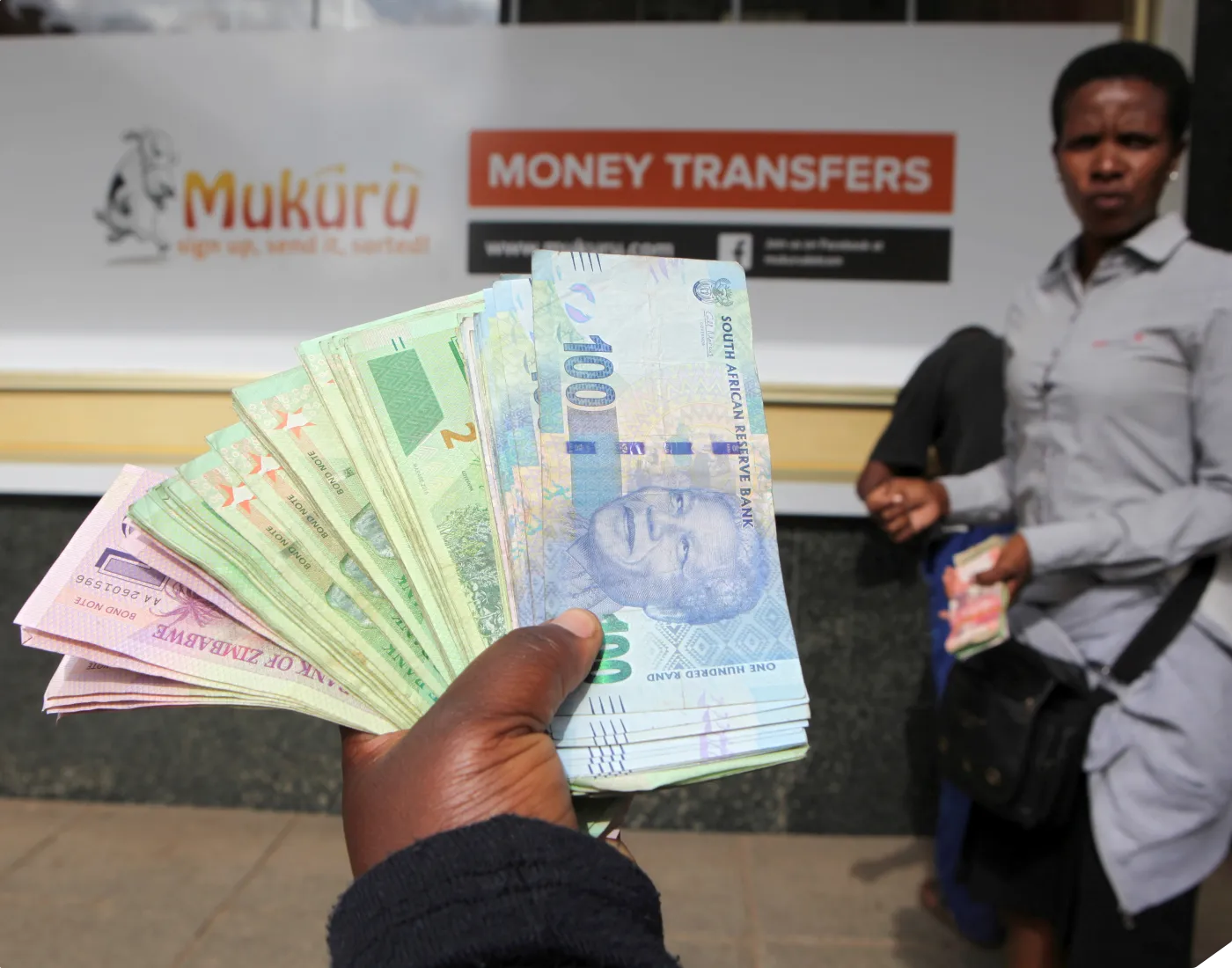 As the South African rand gains ground against the U.S. dollar, many citizens are cautiously hopeful yet uncertain. For workers in the country’s fragile manufacturing sector, the central question remains: will this shift translate into cheaper food, more jobs, or lower fuel prices?
On Thursday, the rand traded at 17.7350 to the dollar, strengthening by 0.6%. While modest, this increase brings momentary relief to a country weighed down by high unemployment, frequent load shedding, infrastructure damage from floods, and global inflation.
Though currency markets may seem far removed from daily life, their impact is real. A stronger rand generally lowers the cost of imports, including fuel and food, and can ease inflation. For struggling South African families, even small price changes can make a big difference.
This week, all eyes turn to Statistics South Africa as it prepares to release May’s manufacturing output data. The sector, which plunged by 6.3% in April, is expected to see a milder decline this time, with analysts predicting a contraction of between 0.5% and 1.5%.
Still, experts warn that small improvements won’t solve deeper problems. “Even if the numbers improve slightly, factories are still quiet. People are still out of work,” an economist at Nedbank explained. The bank’s research notes that manufacturers continue to struggle with low demand, rising operational costs, and ongoing logistics disruptions, all of which hinder job growth and wage recovery.
Manufacturing remains a critical source of income in industrial zones like Ekurhuleni, Nelson Mandela Bay, and Rustenburg. In these areas, one factory job can support an entire household. That’s why every uptick in activity, however minor, matters deeply.
Meanwhile, South Africa’s 2035 government bond yield edged slightly higher to 9.845%, showing market stability but little change for consumers.
For now, South Africans continue to ask: Will the stronger rand and possible factory recovery bring tangible change to their everyday lives? The answer lies not just in market data but in the lived experiences of millions seeking stability and opportunity.