The rise of Caster Semenya in athletics was truly remarkable. From the rural tracks of Limpopo to the world’s most elite competitions, her speed and dominance captured international attention. But beyond the accolades, her journey revealed the uncomfortable intersection of race, gender, and power in global sport.
As a Black South African woman achieving excellence on a global stage, Semenya became both a national hero and an international symbol of representation. Her success was not merely personal—it was political. In a world where institutions often fail to accommodate those who don’t conform to narrow standards, Semenya’s presence sparked global debate.
Her dominance in the 800m races should have been a cause for celebration. Instead, it triggered scrutiny—not because she broke rules, but because her natural physiology challenged dominant norms. Athletics’ governing bodies introduced hyper-specific regulations targeting athletes with differences in sexual development (DSD), requiring medical interventions to lower testosterone levels to compete. Many viewed the regulations as discriminatory, reinforcing outdated, Eurocentric standards of womanhood.
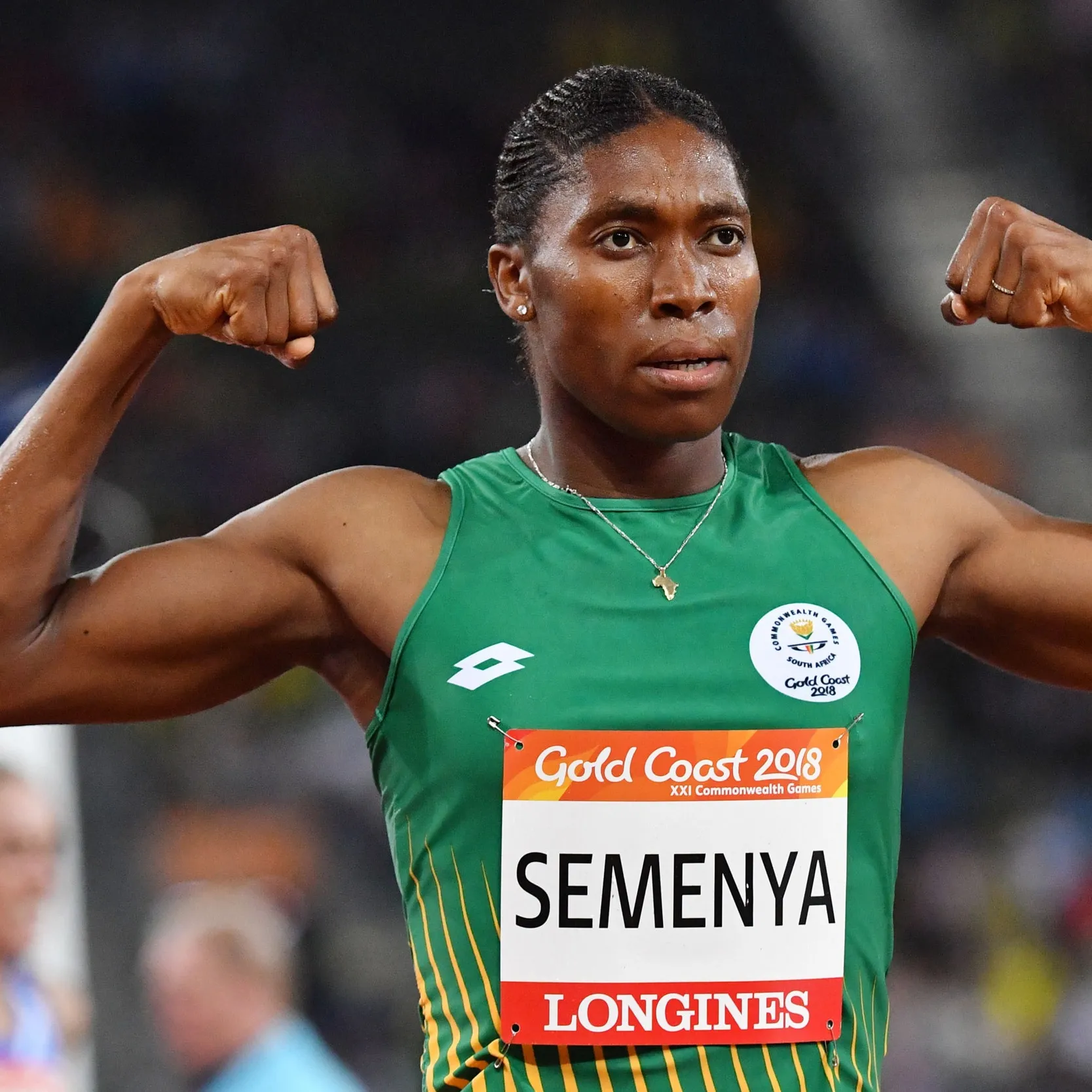 Semenya’s refusal to undergo hormone therapy placed her at the centre of a global legal and ethical fight. The Court of Arbitration for Sport ultimately upheld World Athletics’ regulations, forcing Semenya out of her preferred events. The decision was widely criticized as a setback for bodily autonomy, especially for African athletes disproportionately affected by such rulings.
Through every legal challenge and media controversy, Semenya remained unapologetically herself. Her stance was not just about eligibility—it was about dignity. She embodied a form of resistance that transcended sport, forcing institutions, media, and the public to confront their biases about gender, race, and who gets to be called a champion.
Her memoir, The Race to Be Myself, offers a deeper look into the personal toll of her battles. But it also affirms her legacy: not just as a gold medalist, but as a global figure fighting for equity and inclusion.
A Caster Semenya Legacy Bigger Than Athletics
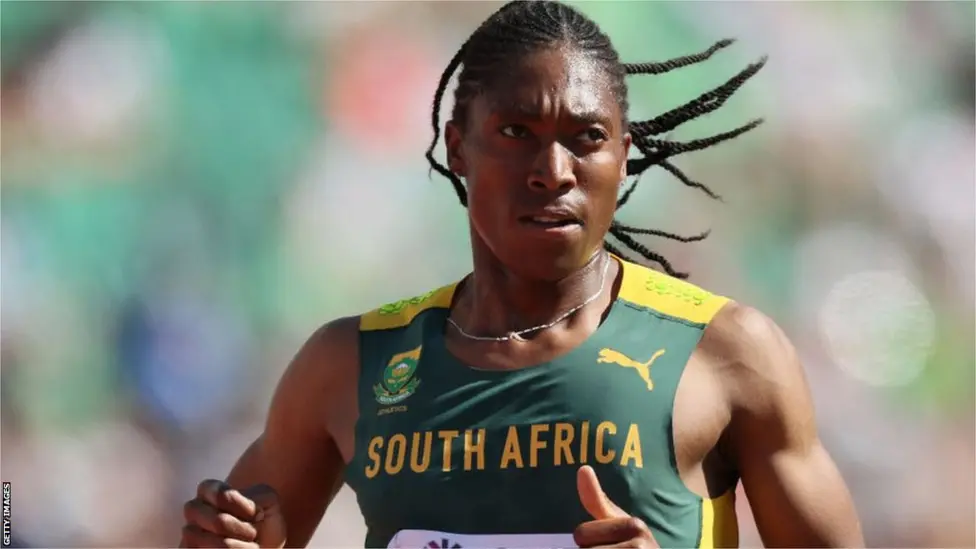
In South Africa and across the continent, Semenya’s legacy continues to resonate. She has become a touchstone for conversations about fairness, representation, and institutional reform. For African women, LGBTQ+ individuals, and all who have felt excluded or misrepresented, her story is both empowering and necessary.
Caster Semenya may have been sidelined from the events where she once dominated, but her impact continues to grow. She is no longer just an athlete—she is an advocate, a disruptor, and a leader.
Her life is a reminder that true greatness is not determined by medals alone, but by the courage to challenge systems that are built to exclude. And in that, Semenya remains undefeated.