Africa’s Carbon Market Rise Sparks Hope and Concern
Carbon Credits Could Fund Africa’s Future — If Communities Are Included
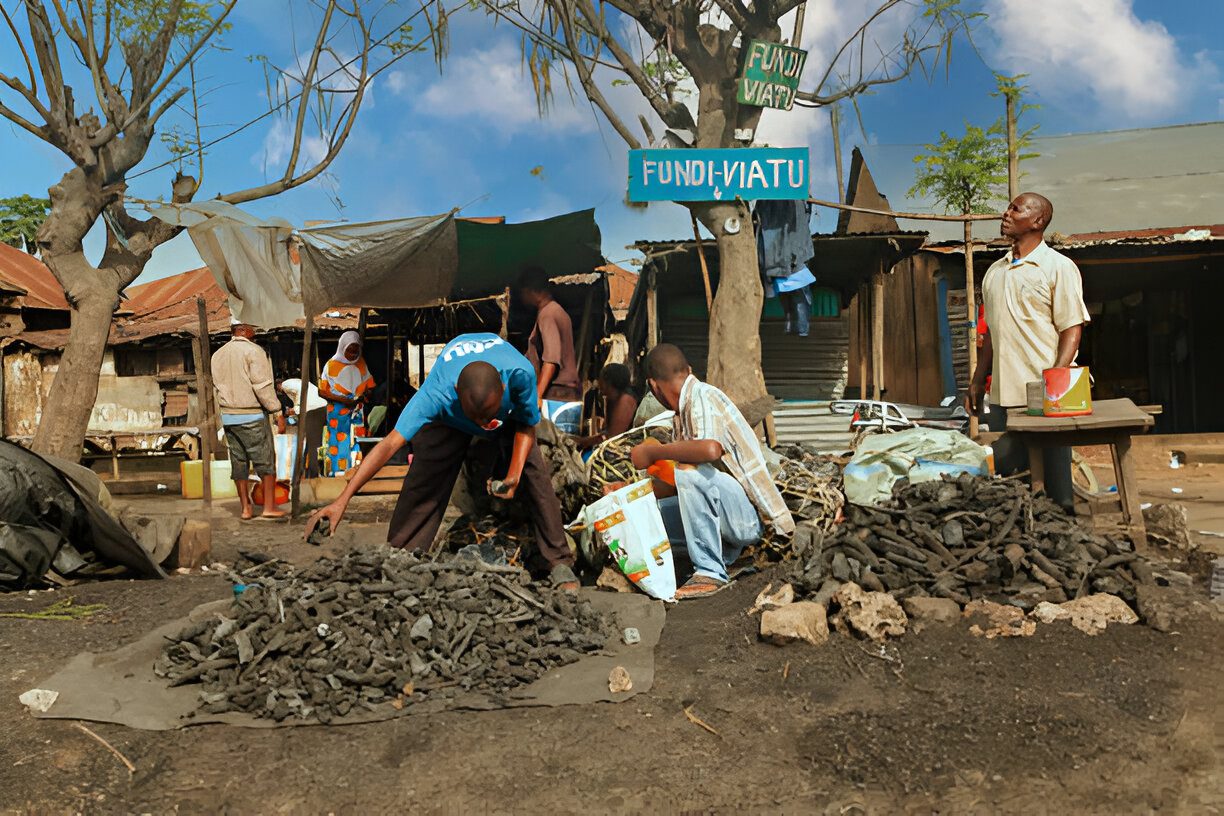
The carbon credit market is booming, and Africa is at its centre. With vast land for reforestation and natural restoration, the continent is attracting billions in climate investment. But as carbon projects multiply, one critical question remains: will African communities benefit or be sidelined?
Carbon credits are tradable certificates that verify the removal or reduction of one metric ton of CO₂ from the atmosphere. Companies and governments purchase these to offset emissions. In 2023, the global voluntary carbon market exceeded USD 2 billion, according to Ecosystem Marketplace, and it is expected to keep rising. Africa, which holds over 60% of the world’s restoration potential, is central to this expansion.
Across the continent, projects include reforestation, soil restoration, and clean cookstove distribution. From the Sahel’s Great Green Wall to reforestation projects in Kenya and Mozambique, African nations are marketing carbon credits to international buyers to fund sustainable development.
A 2023 report by McKinsey estimates that Africa could supply 30 to 40 percent of the world’s demand for high-quality carbon credits by 2030. This could generate between 15 and 20 billion US dollars annually. Development banks, fintech startups, and private investors are responding with tools that improve transparency, verification, and access for smallholder farmers.
Despite the growth, experts warn that without stronger governance, Africa could repeat the extractive models of the past. In many rural areas, communities have little understanding of carbon markets or their rights. Complex brokerage and verification costs often take a large share of the profits, leaving locals with minimal compensation. In addition, low-quality or “junk” credits risk undermining climate goals and damaging buyer confidence.

Photo: Juan Alberto Casado
Several African countries are taking steps to build legal safeguards. Kenya launched a national carbon market framework in 2023 to improve oversight, standardize contracts, and ensure fair benefit-sharing. Ghana has developed a national carbon registry and signed agreements under the Paris Agreement’s Article 6 mechanism. These agreements allow the country to sell credits internationally while pursuing its climate targets.
The African Carbon Markets Initiative (ACMI), supported by the United Nations and African Union, seeks to expand voluntary carbon markets across the continent. It aims to issue 300 million credits per year by 2030 and create up to 30 million jobs. The initiative also prioritizes local benefits and transparent systems.
Experts agree that for Africa to truly benefit, strong national policies must be in place. Legal protections for communities, public education on carbon rights, clear benefit-sharing agreements, and environmental monitoring are all essential. Africa’s natural resources offer a major opportunity to lead in green finance and climate solutions. However, the success of carbon markets will depend on whether they serve both the planet and its people.