King of Pop Michael Jackson: The Truth Behind His Death
Who Really Killed Michael Jackson? A Closer Look at the King of Pop

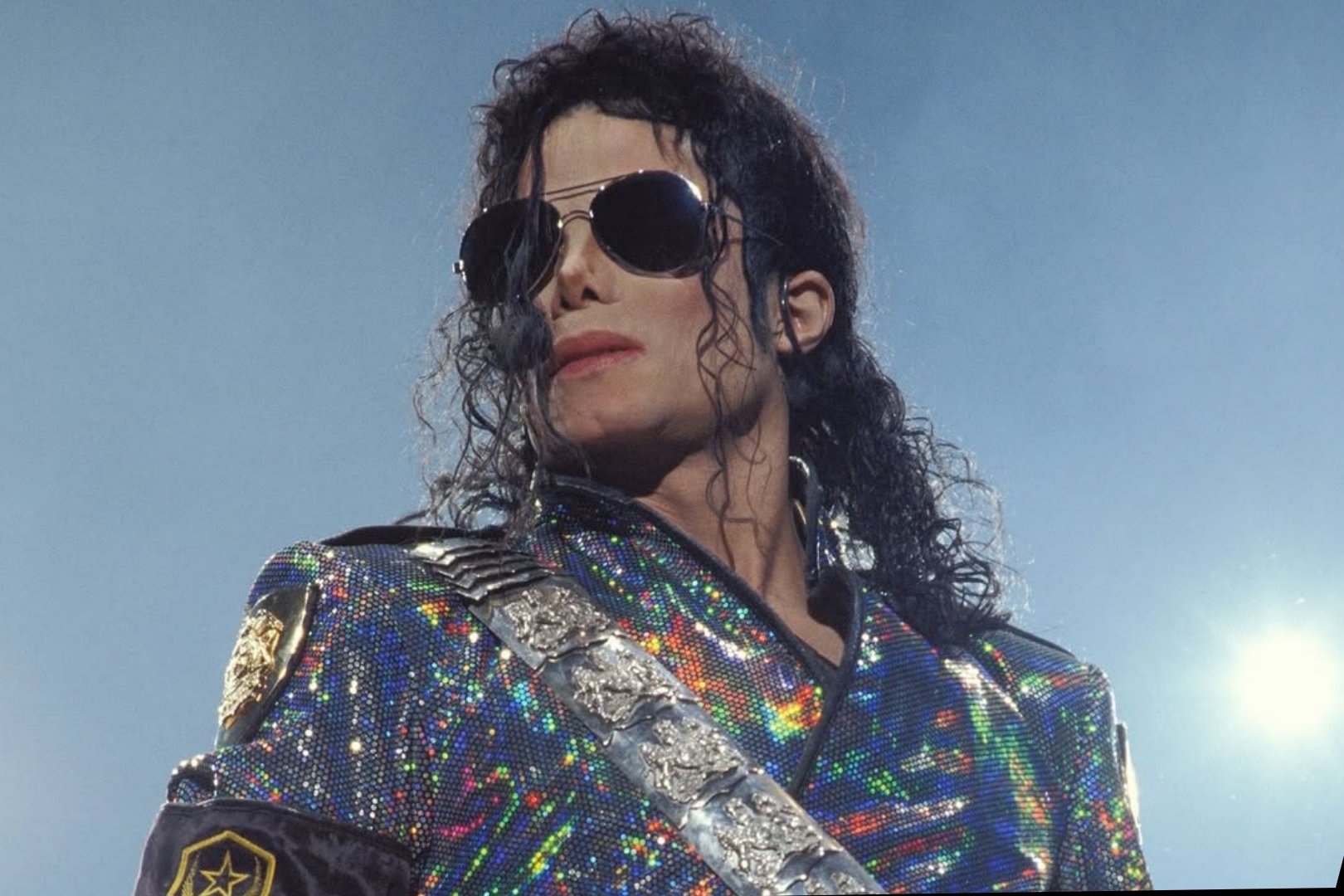 On June 25, 2009, Michael Jackson, the King of Pop, passed away at the age of 50. The news shocked the world. Fans mourned the loss of an entertainer who had redefined music, dance, and celebrity. Yet, questions lingered. How could such a legendary figure die alone in his home, surrounded by vials of powerful drugs?
Investigators quickly focused on Dr. Conrad Murray, Jackson’s personal physician. Murray admitted to administering propofol, a surgical-grade anesthetic, to help Jackson sleep. He gave the drug at home, without proper monitoring equipment. In 2011, Murray was convicted of involuntary manslaughter and sentenced to four years in prison.
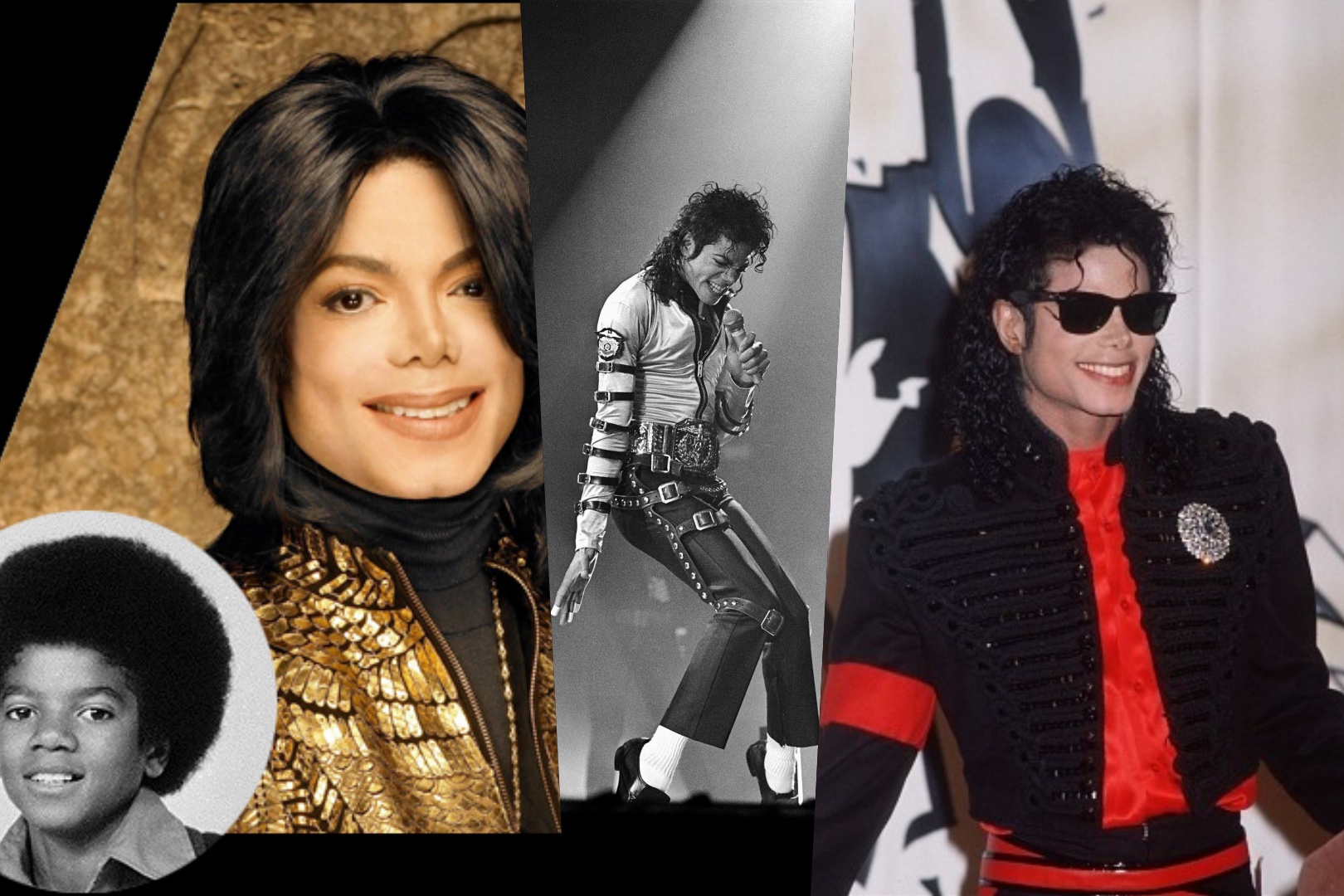 While Murray played a direct role, Jackson’s death involved more than one fatal injection. Chronic insomnia plagued the singer, and his reliance on prescription drugs was well documented. The pressure of his This Is It tour, which included 50 shows in London, added extreme stress. Friends and colleagues described him as a perfectionist who pushed himself to deliver flawless performances, even at the cost of his health.
The environment surrounding Jackson also contributed to the tragedy. Fame, financial incentives, and a culture that enabled shortcuts for entertainers created a dangerous combination. Jackson’s dependence on medication and the relentless expectations of the music industry left him vulnerable. Murray administered the lethal dose, but the circumstances made it possible.
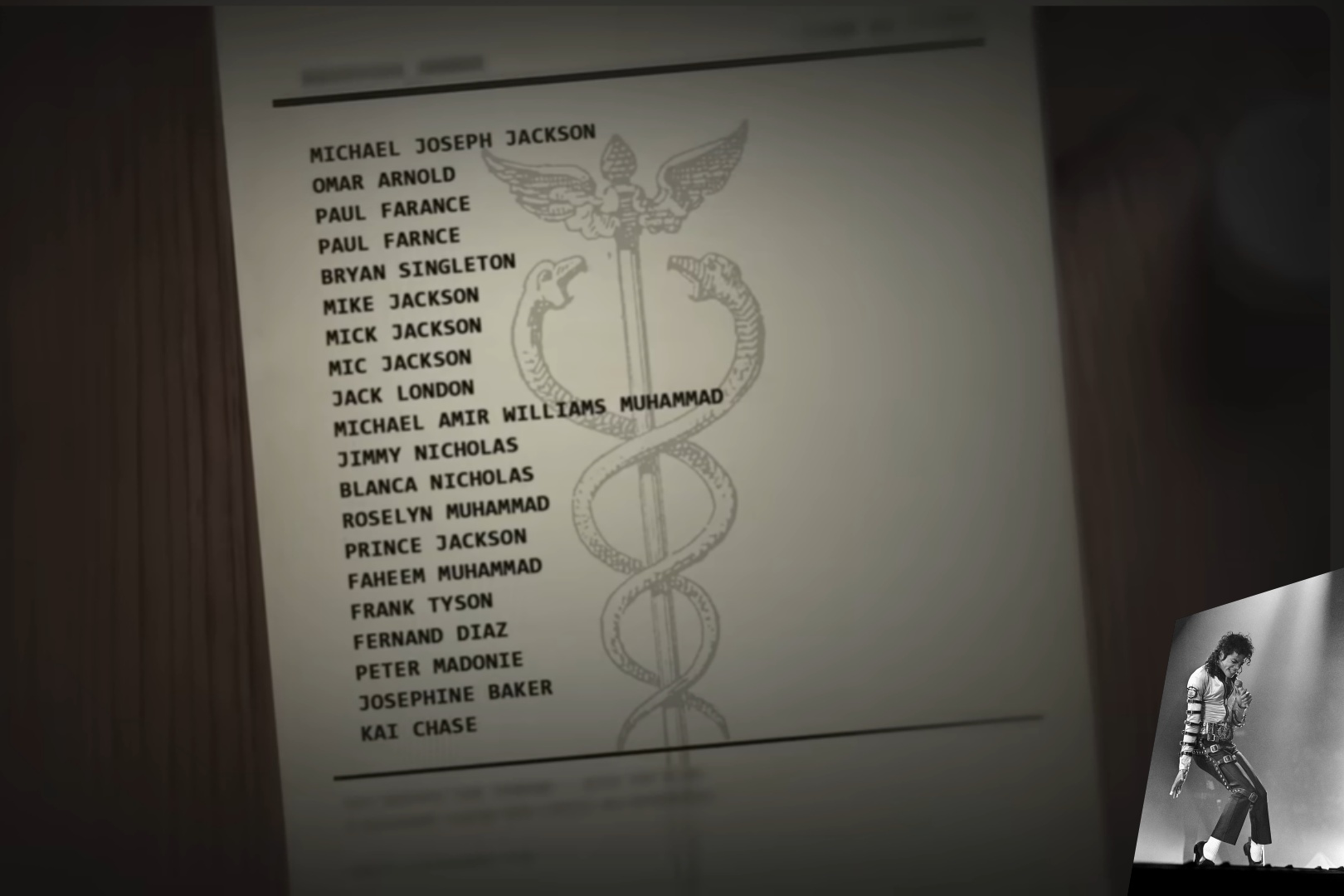
Legally, Dr. Conrad Murray caused Michael Jackson’s death. In reality, it was a tragic mix of insomnia, drug dependency, and the pressures of fame. Jackson’s final days highlight how even the world’s most celebrated figures can be overwhelmed by the very forces that made them famous.