Ghana Bans Land Transit of Commercial Cooking Oil
Ghana Tightens Oversight on Cross-Border Oil Shipments

 Ghana has announced a new policy banning the land transit of commercial quantities of cooking oil, requiring that all shipments now move exclusively through the country’s seaports. The directive, issued by Finance Minister Dr Cassiel Ato Forson, comes after the interception of 18 articulated trucks declared for transit to Niger but suspected of being part of a broader diversion scheme. The move aims to strengthen customs enforcement Ghana-wide, close loopholes in the transit system, and safeguard state revenue from exploitation.
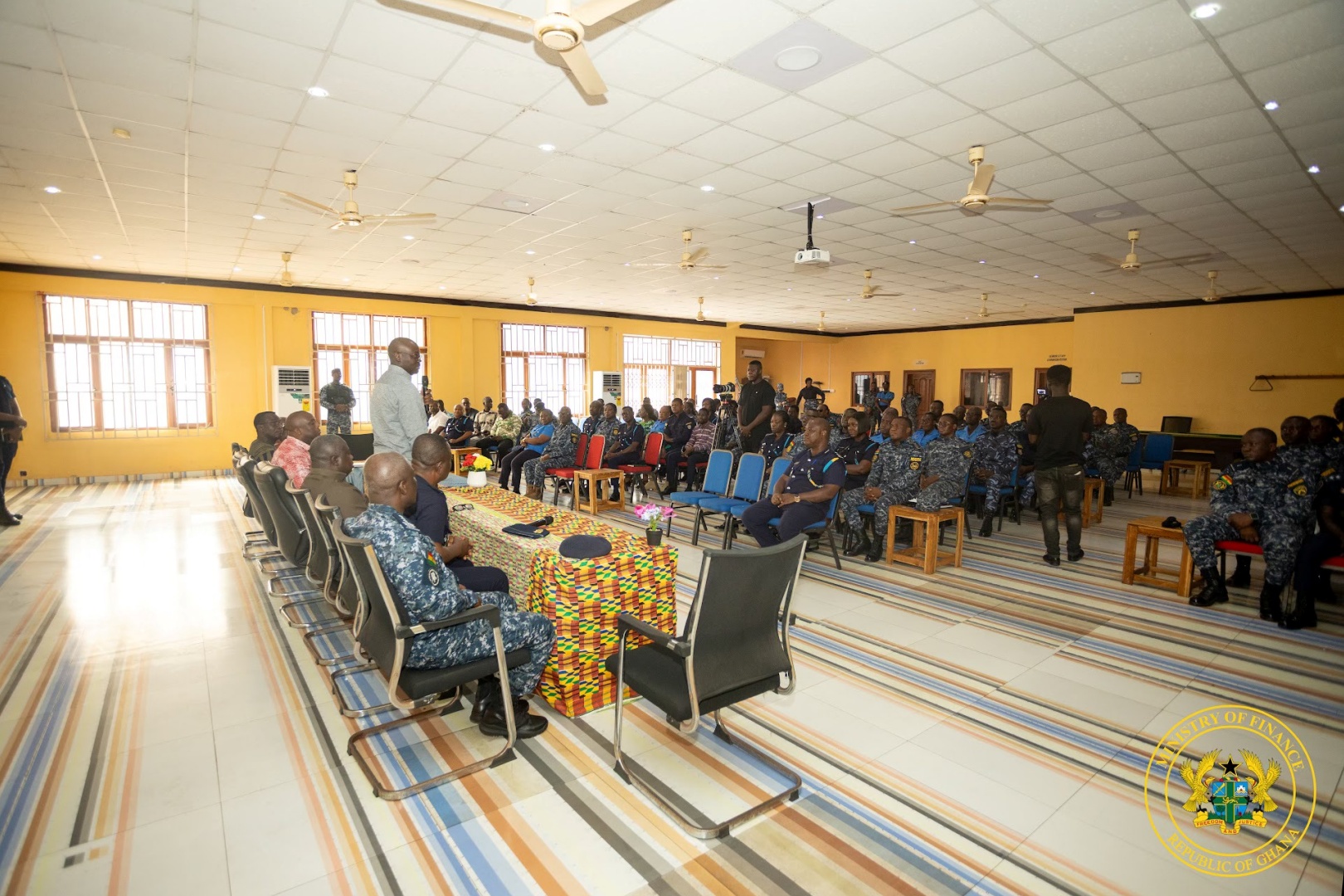
Under the new regulation, consignments of cooking oil intended for onward movement to landlocked countries can no longer pass through land border collection points. Instead, all goods must be processed at seaports, where layered customs controls, electronic tracking systems, scanning infrastructure, and stricter valuation measures are in place. This decision follows visits by the Finance Minister, Deputy Minister Thomas Nyarko Ampem, GRA Commissioner-General George Kwasi Sarpong, and other high-ranking officials to the land borders in Ketu South and Ketu North, where systemic vulnerabilities were observed.
 Authorities noted that recent inspections revealed serious discrepancies in declared unit values, weights, and tariff classifications. The initial revenue exposure of GH¢2.6 million from intercepted shipments was later revised to over GH¢85 million. To prevent such losses, the Ghana Revenue Authority will now enforce intensified cargo tracking, strengthened escort protocols, and tighter supervision of all transactions at land collection points. Customs officers found complicit in similar breaches will face disciplinary action, while importers and clearing agents implicated in violations may face criminal investigations.
Officials emphasized that the policy also seeks to protect local edible oil producers from unfair competition arising from diverted transit goods. The government has reaffirmed its commitment to applying the full rigour of the law, including confiscation and auction of impounded goods when applicable, ensuring that Ghana’s customs regime supports domestic revenue mobilisation and national development.
 The recent crackdown followed a joint enforcement operation by GRA’s Customs Division and National Security officials, which intercepted 12 articulated trucks carrying 44,055 packages of assorted goods, including cooking oil, spaghetti, and tomato paste. These trucks had been electronically gated out of the Customs system without the required human escort, violating established transit procedures. Following the interception, 11 trucks were moved to the Ghana Ports and Harbours Authority Transit Terminal in Tema and placed under strict customs supervision, with one truck transferred after a mechanical fault.
The government’s decisive action reflects a broader strategy to secure Ghana’s borders, ensure compliance with customs regulations, and strengthen oversight over commercial oil shipments. By channeling all transit through seaports, authorities hope to limit opportunities for fraud, protect public revenue, and maintain a level playing field for domestic producers while reinforcing the integrity of the country’s customs system.