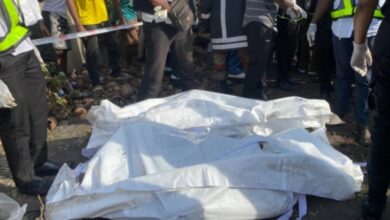
19 Deaths Reported in Ghana Police Custody Since 2020 Revealed
Ghana Police Custody Deaths: 19 Cases Uncovered

 At least 19 people have died in Ghana police custody between October 2020 and June 2025, according to a new investigation by The Fourth Estate.
The findings follow a Right to Information (RTI) request sent to the Ghana Police Service seeking official data on deaths in custody during the five-year period. After receiving no response for more than three months, investigators independently reviewed and cross-checked media reports to establish the figures.
Disturbing Cases Across Six Regions
In the first part of a four-part investigative series, The Fourth Estate examined seven deaths across six regions of Ghana, uncovering troubling patterns and unanswered questions.
Among the most alarming findings were four reported hangings inside police cells, including the death of a minor. These incidents have intensified concerns over conditions within police detention facilities and the monitoring of suspects in custody.
Secret Burial in Bono Region
One of the most shocking cases occurred in Seikwa in the Bono Region, where police officers allegedly buried a suspect who died in custody without notifying the public or the family.
The burial reportedly came to light only after leaked photographs surfaced, prompting authorities to exhume the body. Police later explained that they believed the deceased had no relatives — a justification that has drawn widespread criticism.
Families Challenge Official Accounts
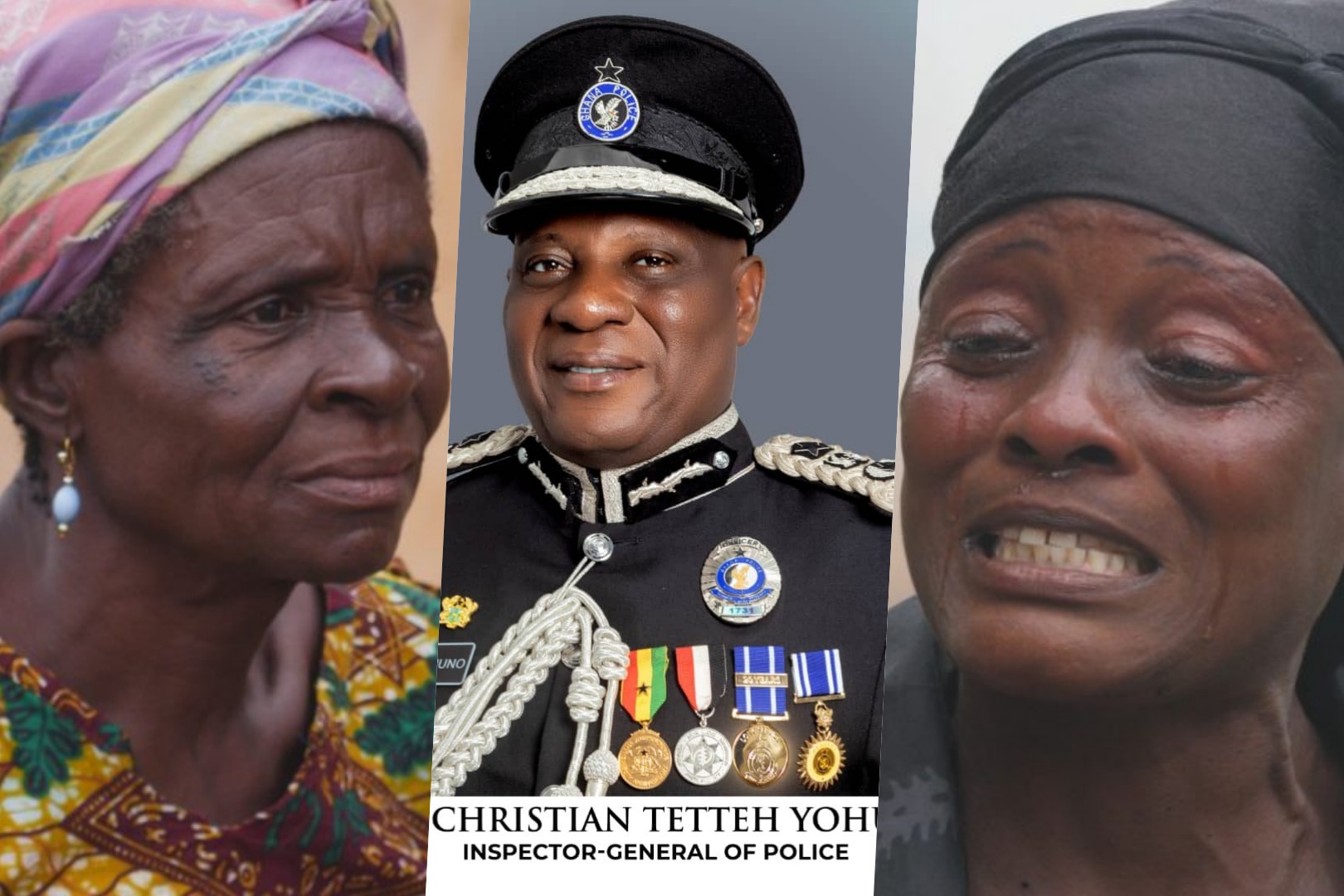
Relatives of the deceased have questioned the official explanations provided by the Ghana Police Service. Some families have expressed doubts over claims that their loved ones died by suicide, including reports of alleged hangings using trousers inside police cells.
The investigation also highlights the case of a sitting Member of Parliament who claims the police have failed to provide him with clear answers regarding a constituent’s death in custody.
Calls for Transparency and Accountability
The findings have renewed debate over police accountability in Ghana, particularly concerning transparency in reporting deaths in custody.
Human rights advocates argue that police detention facilities should guarantee the safety of suspects, not become sites of unexplained fatalities. The lack of timely official data has further intensified calls for reforms and independent oversight.
As the four-part series continues, the investigation is expected to shed more light on systemic weaknesses and the broader implications for public trust in law enforcement institutions.
The question remains: how many more deaths have gone undocumented or unresolved?