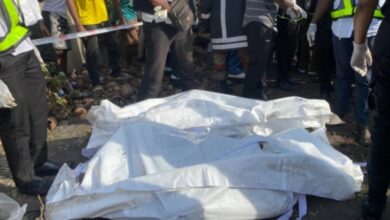
Accra Floods: Storm Exposes Drainage Failures Across Ghana’s Capital
Torrential Rains Cripple Accra: Homes Destroyed, Businesses Shut

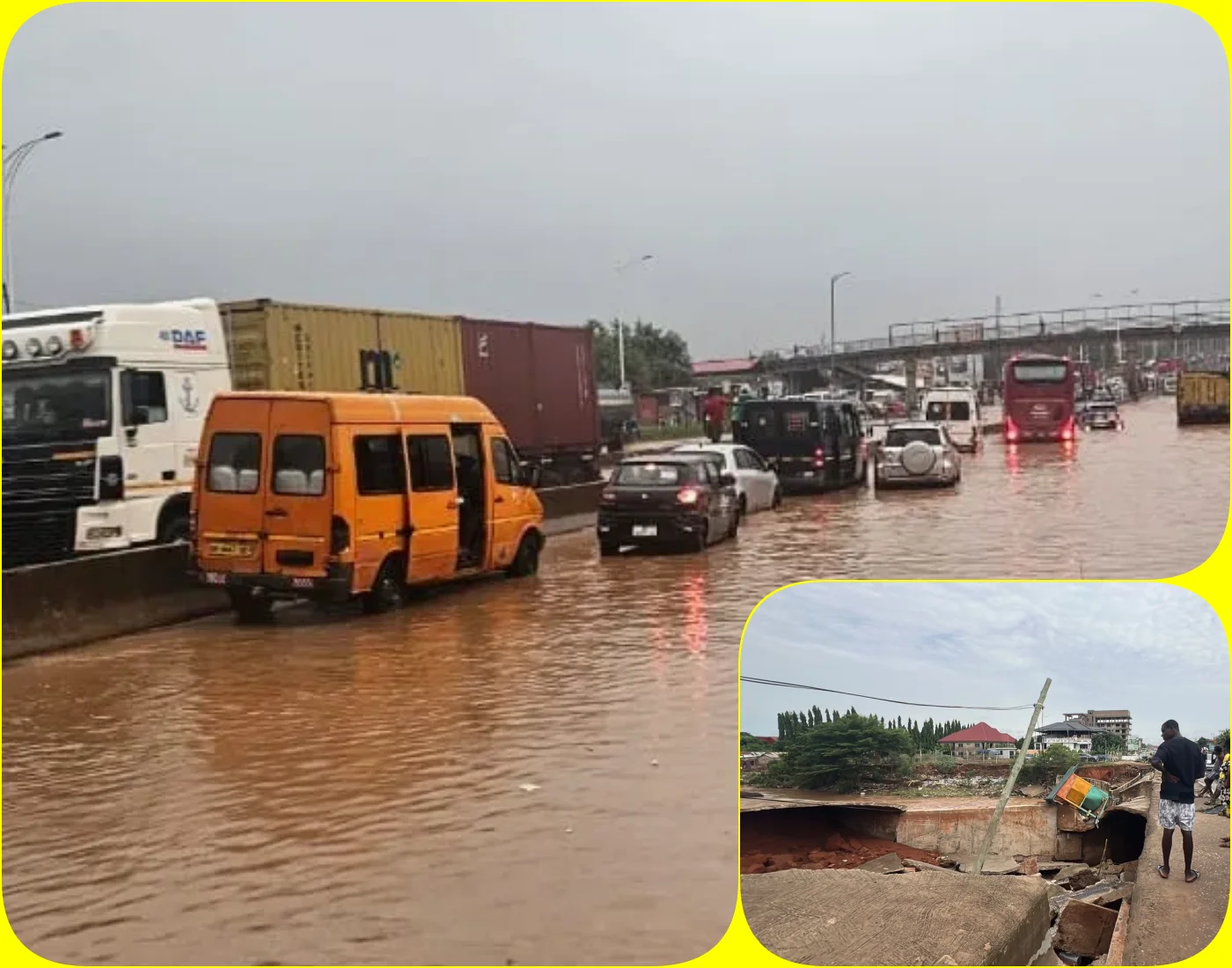 For yet another year, Accra is drowning in the consequences of infrastructure neglect. A torrential downpour on May 18, 2025, turned large parts of the Ghanaian capital into flooded disaster zones, as overwhelmed drainage systems gave way under the weight of rising waters.
Cars stalled in the middle of roads. Shops were forced to close. Homes were submerged. This is not a one-off tragedy—it’s a recurring failure that demands urgent attention.
A City Struggling to Stay Afloat
From central neighborhoods to suburban outskirts, the floodwaters made no distinction. Residents waded through knee-deep water, while emergency workers scrambled to respond to distressed calls.
Many Ghanaians are asking: How many more storms will it take before action is taken?
The clogged gutters that line Accra’s streets have long been part of the problem. Filled with plastic waste, silt, and debris, these channels can no longer perform their basic function: to move stormwater safely out of the city.
Compounding the issue is rapid, unplanned urbanization, which has led to unchecked construction and fewer green spaces to absorb rainfall. Without modern, expanded drainage infrastructure, every storm now becomes a hazard.
The damage from yesterday’s storm goes beyond physical destruction. Businesses across the city reported massive financial losses, with inventory soaked and operations halted. Families lost furniture, electronics, and priceless personal items.
This isn’t just a weather issue. It’s a policy failure—one that affects livelihoods, public health, and Ghana’s economic resilience.
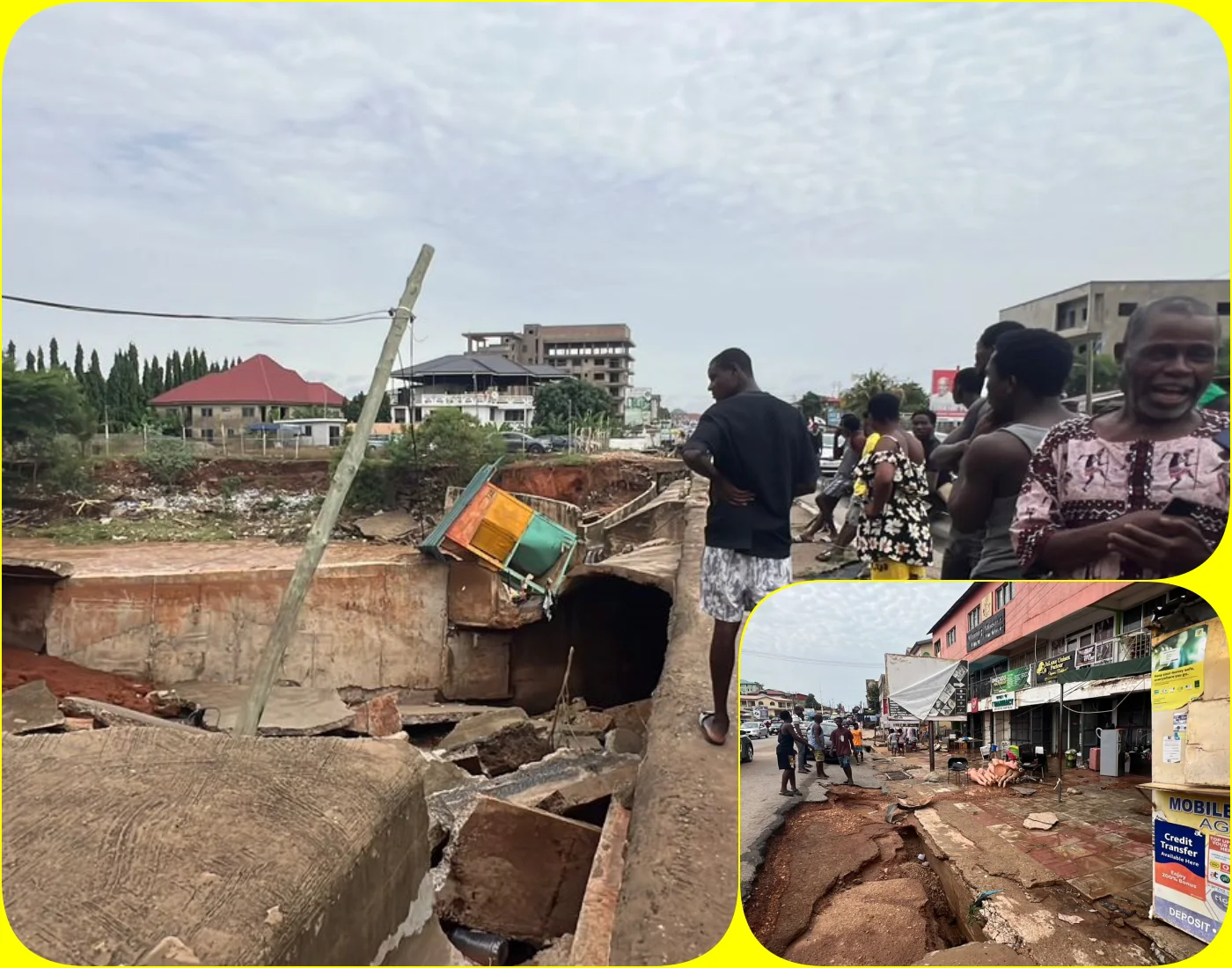 Solutions Must Replace Silence
Experts agree: Accra needs more than just a cleanup after every storm. It needs a comprehensive urban resilience strategy, including:
-
Immediate dredging and desilting of existing drains
-
Construction of new, larger-capacity drainage networks
-
Strict enforcement of building regulations in flood-prone zones
-
Public education on waste disposal to prevent gutter blockage
-
Introduction of green infrastructure—parks, permeable pavements, and retention ponds
This is not a question of if future floods will occur. It’s about how prepared Accra will be when they do.
Residents and civil society groups are calling on city officials and the Ministry of Works and Housing to move from rhetoric to results. Accra cannot afford to be paralyzed every time the skies open.
The time for half-measures is over. Ghana’s capital needs lasting, structural change, and it needs it now.