Dangote Bets on Agriculture to Feed Africa’s Future
Dangote’s Billion-Dollar Push into Farming Could Help Solve Africa’s Future Food Crisis

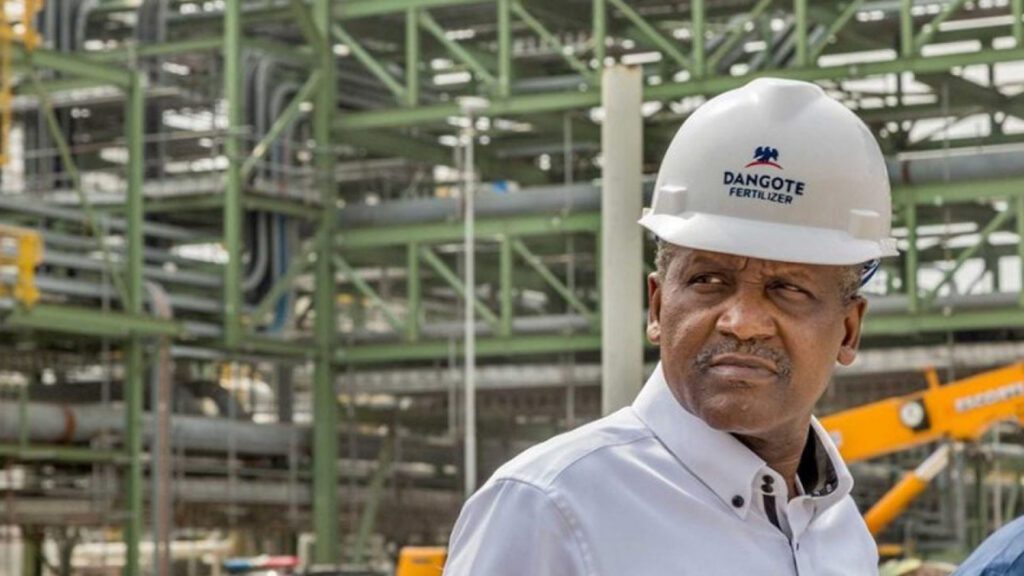 Dangote’s major investments in agriculture may reshape Africa’s food future and reduce reliance on costly imports as population growth surges. With the African population expected to double by 2050, the continent faces a critical challenge—how to feed its expanding millions amid mounting food insecurity.
Aliko Dangote, Africa’s richest businessman, is redirecting his focus toward farming and food production. His agriculture investment across Africa, including fertilizer, rice, sugar, and tomato processing, is not just a business expansion. It’s a strategic response to the looming African population food crisis.
For decades, African nations like Nigeria, South Africa, and Kenya have relied heavily on food imports. Nigeria alone reportedly spends over $10 billion annually on imported food. Yet many of these countries have the potential to grow and process the very staples they continue to import.
The Dangote fertilizer Nigeria project is one of the most ambitious on the continent. Located in Lagos, the facility is among the world’s largest and produces up to three million metric tons of fertilizer annually. This massive output is expected to improve crop yields across Nigeria and neighbouring countries, strengthening long-term food security.
Dangote’s tomato paste Nigeria imports solution is another pivotal initiative. Despite being a top producer of tomatoes, Nigeria remains a major importer of tomato paste. To solve this paradox, Dangote has established a processing factory in Kano designed to convert local harvests into finished products. This not only reduces import dependency but also supports local farmers and boosts rural employment.
These efforts signal a broader shift. The Dangote agriculture investment Africa-wide is addressing food shortages by targeting production bottlenecks. As countries across the continent grapple with inflation and high unemployment, building resilient local food systems has become an urgent priority.
South Africa, despite its commercial farming strength, still imports large volumes of wheat, rice, and poultry. Kenya depends on cereal and sugar imports to meet domestic demand. These practices strain national budgets and hinder local agricultural growth. Dangote’s approach, by contrast, promotes value chain development and domestic production, which is essential for achieving Africa’s future food security goals.
Dangote Agriculture Investment Africa food security
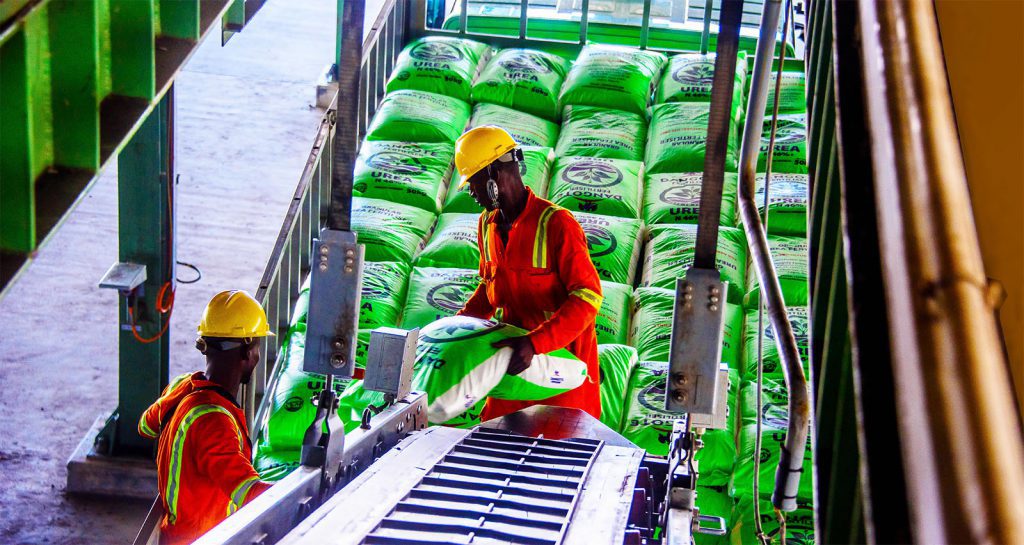 Experts argue that by reducing food import costs and boosting local supply, Aliko Dangote’s farming initiatives could transform Africa’s agricultural landscape. His projects create jobs, increase incomes, and offer scalable models for other nations to follow.
Beyond economics, these investments have strategic importance. They prepare Africa for the long-term demands of its growing population, reduce dependency on volatile global markets, and increase the continent’s ability to respond to food-related shocks.
As the conversation around Africa’s food future intensifies, Dangote stands out as a private sector leader investing at a scale where public policy often falls short. If matched with the right infrastructure and regulatory support, his agricultural ventures could mark a turning point for African food systems.
In a continent where the risks of food insecurity are rising, the solution may lie in bold, targeted moves like Dangote’s—rooted in the soil and built for the future.