El Mencho’s Hidden World Cup Ambitions Revealed
CJNG Leader Linked to Estadio Akron World Cup Tickets

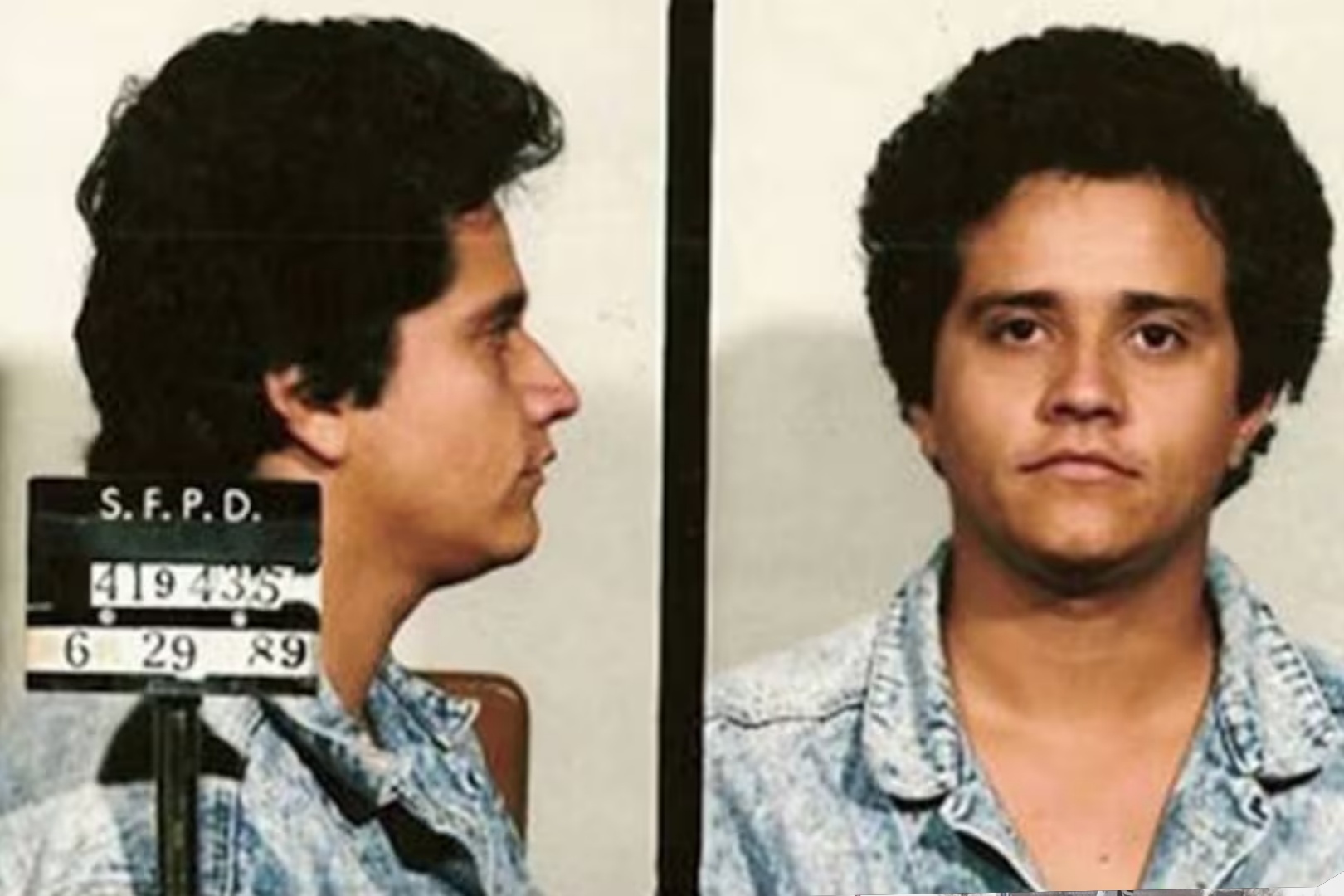 El Mencho, the notorious leader of the Jalisco New Generation Cartel, had reportedly secured tickets for the 2026 FIFA World Cup before his death, according to a new Milenio report. The revelation adds an unexpected dimension to the legacy of Nemesio Rubén Oseguera Cervantes, whose killing has already intensified tensions in western Mexico.
Oseguera Cervantes, widely known as El Mencho, died on February 22, 2026, after being wounded during a military operation aimed at capturing him. Authorities say he succumbed to his injuries while being transported by helicopter to Mexico City. In the days that followed, violence surged across Jalisco, the cartel’s operational base and stronghold.
Now, fresh details suggest that before his death, the CJNG leader had quietly obtained a significant number of match tickets for games scheduled at Estadio Akron, near Guadalajara. The stadium is one of Mexico’s designated venues for the 2026 FIFA World Cup, which will be jointly hosted by Mexico, the United States and Canada. It is expected to stage four matches during the tournament.
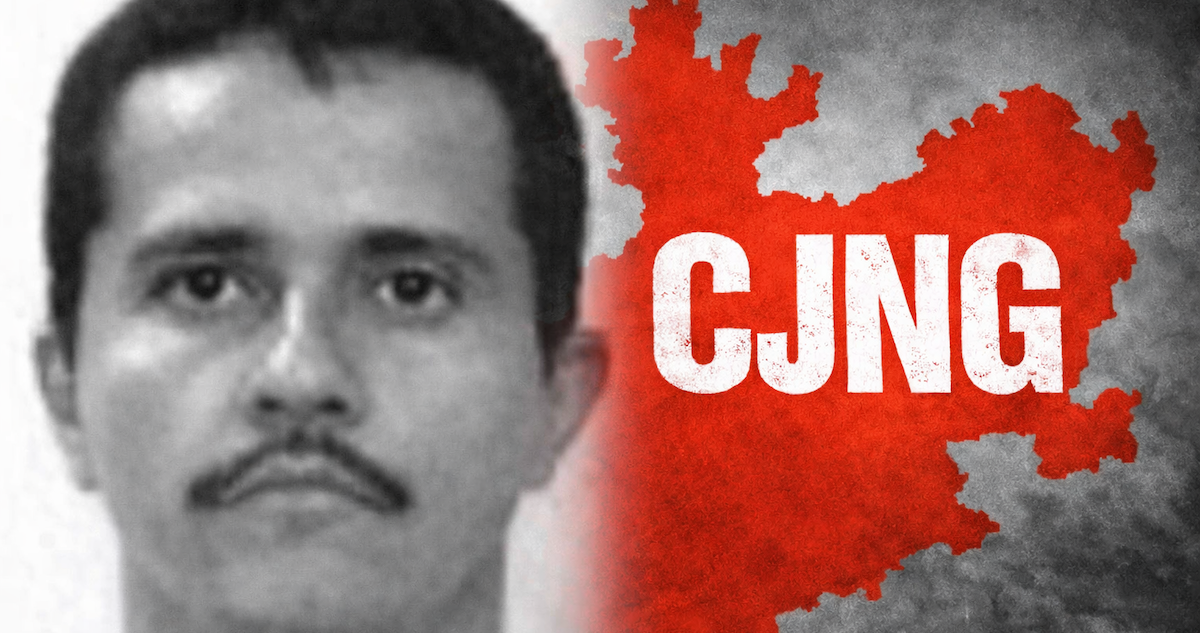 According to Milenio, El Mencho intended to distribute the highly sought-after tickets to trusted political and business associates. The move was allegedly designed to reinforce loyalty within his network ahead of the global event. While there is no public confirmation from authorities regarding the ticket claims, the report has fuelled speculation about how organised crime figures seek influence beyond traditional criminal enterprises.
El Mencho had long been one of the most wanted fugitives in the world. The United States government had offered a reward of up to £15 million for information leading to his capture, citing his alleged leadership in large-scale trafficking of fentanyl, methamphetamine and cocaine.
In an additional development, Milenio previously reported that Mexican officials had urged US authorities to avoid direct action against him in 2026. The concern, according to the publication, was that any major confrontation could destabilise security during preparations for the World Cup. Instead, his death has triggered renewed violence, underscoring the fragile balance between law enforcement operations and broader national security considerations.
As Mexico continues preparations for the 2026 FIFA World Cup, the intersection of organised crime and global sporting events is now under sharper scrutiny. The allegations surrounding El Mencho’s reported plans highlight how major international tournaments can become symbols of influence and leverage in complex political and criminal landscapes.