Sahel kidnappings: Foreign Abductions Increase in Sahel Amid JNIM Expansion
Mali Kidnapping Crisis Deepens as Foreign Workers Targeted

 Sahel kidnappings surged sharply in 2025 as armed groups, particularly JNIM, intensified their targeting of foreign nationals in Mali and Niger. The spike reflects a deepening Mali security crisis and a broader shift in militant strategy across West Africa’s volatile Sahel region.
One case that illustrates the growing threat is that of Marin Petrović, a Bosnian traveller who arrived in Bamako in September 2025 after years of failed visa applications. Mali had long denied him entry on security grounds due to persistent conflict, Islamist insurgencies and foreign military involvement. When approval finally came, he described his excitement in a public Instagram post, documenting visits to markets, schools and local landmarks. He planned to travel onward to Mopti to see the Grand Mosque before returning home.
That plan collapsed on a remote stretch of road between Bla and San. Armed men on motorbikes ambushed his vehicle and abducted him at gunpoint. Petrović later wrote that he had been kidnapped by al-Qaeda-linked militants. His ordeal lasted more than 50 days.
His experience was not isolated. According to data from Acled, an independent conflict monitor, there were 30 separate kidnapping events affecting foreigners in Mali and Niger by the end of November 2025. The total for the year is likely higher. Approximately 70% of tracked cases occurred in those two Sahel states, underscoring how kidnapping in Mali and Niger has become a central tactic in the region’s conflict dynamics.
High-profile incidents drew global attention. Two citizens of the United Arab Emirates were abducted in Mali in September. They were released weeks later, reportedly after a ransom of $50 million was paid. In Niger, Austrian humanitarian worker Eva Gretzmacher and American pilot Kevin Rideout were kidnapped from their homes. Gretzmacher remains in captivity more than a year later.
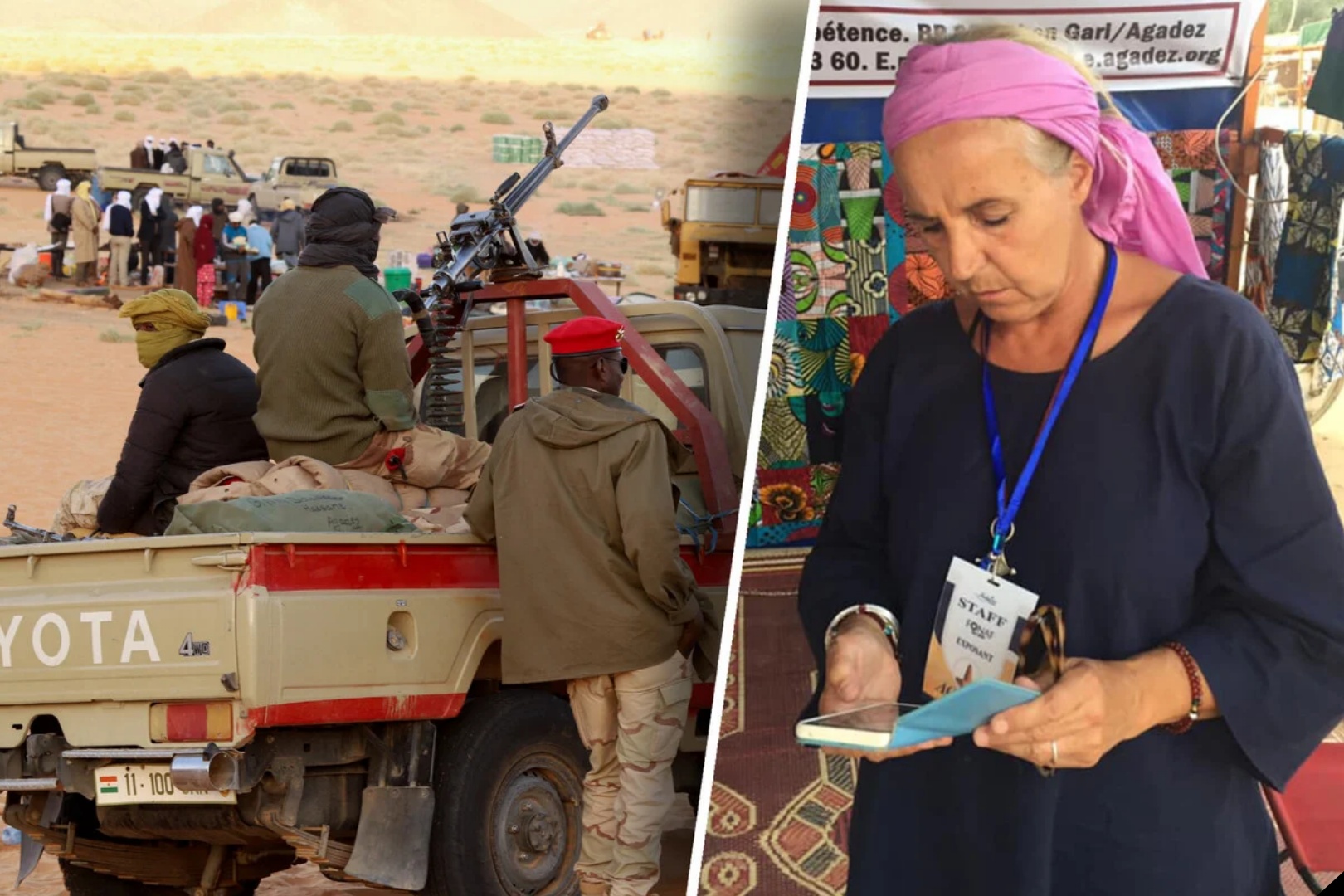 Although thousands of Africans are kidnapped annually across the continent, particularly in countries like Nigeria, foreign nationals are viewed as especially valuable targets. Analysis of high-profile cases shows that Chinese workers account for the largest share of foreign abductions. Of 89 foreigners kidnapped in 2025, 38 held Chinese passports. Many worked in Mali’s gold-rich southwestern regions, where Chinese companies have expanded operations amid rising global gold prices.
Security analysts attribute much of the surge to Jama’at Nusrat al-Islam wal-Muslimin, known as JNIM, an al-Qaeda affiliate active across Mali, Niger and Burkina Faso. By some estimates, ransom payments account for up to 40% of JNIM’s annual revenue. However, experts argue that financial gain is only part of the strategy.
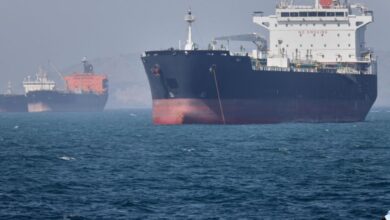
Kidnapping foreign nationals places economic pressure on governments by discouraging investment and disrupting trade. In Mali, JNIM has also attacked fuel tankers supplying Bamako, compounding economic strain. Targeting Chinese workers, in particular, may serve to weaken cooperation between Mali’s military government and Beijing, which maintains a significant presence in mining, construction and infrastructure projects.
Petrović described harsh conditions during captivity, including sleeping on bare ground and surviving on limited food and boiled water. Despite the ordeal, he was released in late October without a ransom payment, according to regional analysts. Some observers believe JNIM is recalibrating its approach toward Western nationals in an effort to reshape its international image and avoid broader diplomatic backlash.
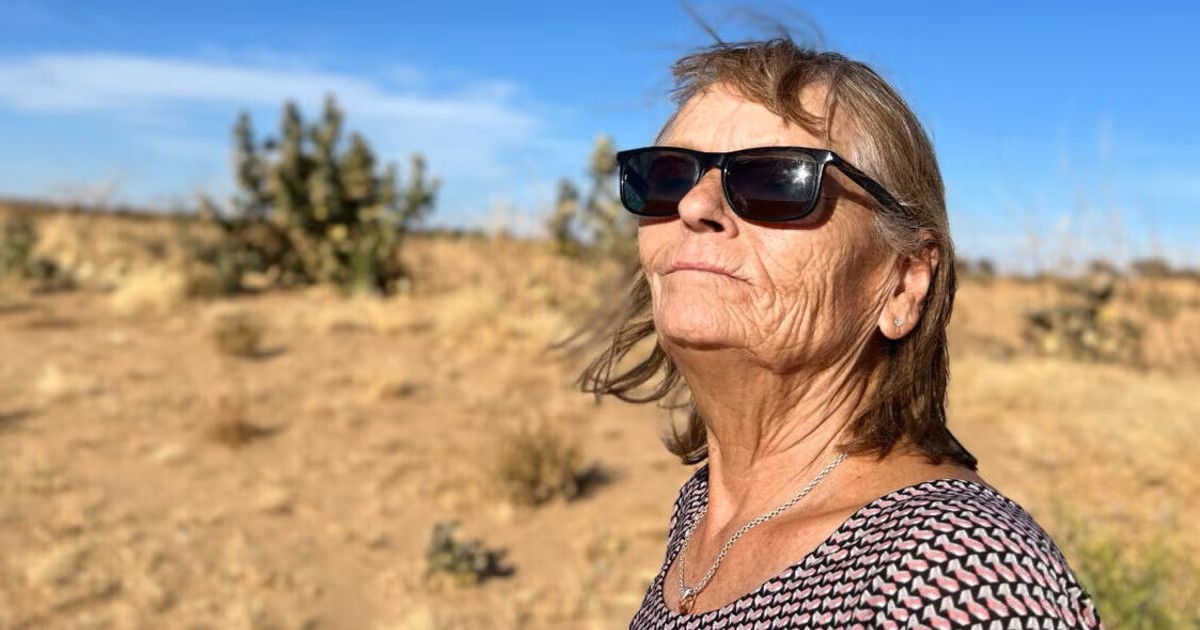
Other families continue to wait. Eva Gretzmacher’s son has publicly appealed for renewed attention to his mother’s case, warning that extreme desert temperatures pose serious risks to her health. He has emphasised the need for sustained but careful advocacy to keep her situation visible.
The rise in Sahel kidnappings highlights a shifting security landscape in West Africa. Armed groups are increasingly using abductions as both a revenue stream and a geopolitical tool. As instability deepens in Mali and Niger, foreign workers, humanitarian staff and travellers face growing risks, while governments and international partners grapple with how to respond without further empowering militant networks.