Israel Hacked Traffic Cameras Before Ali Khamenei Assassination
Operation Roaring Lion: How Israel Targeted Khamenei

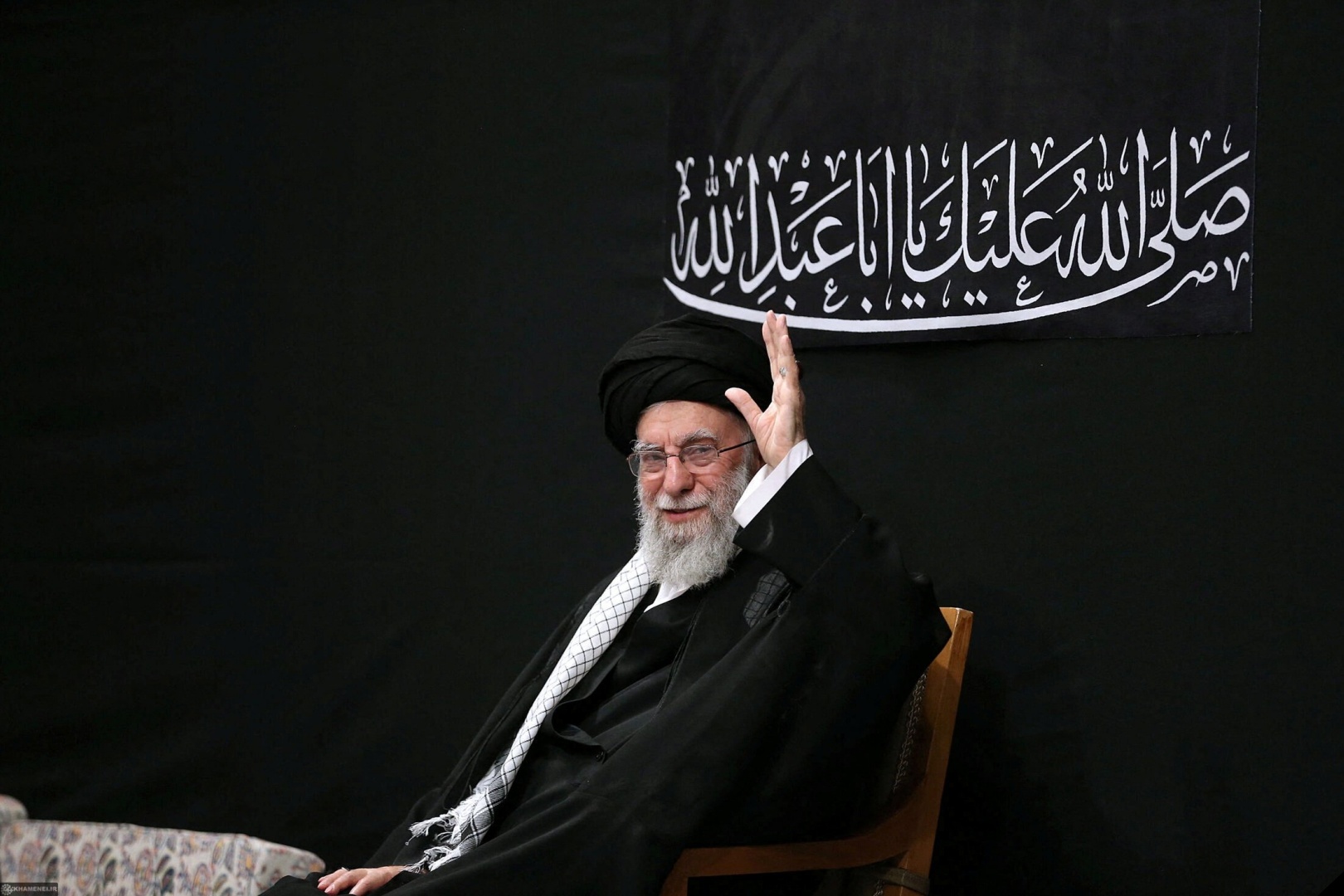 The Khamenei assassination was the result of a long-running intelligence effort in which Israel used AI surveillance and hacked traffic cameras in Tehran to map the Iranian leader’s movements before launching a precision strike, according to a Financial Times report published Monday.
The report states that Israeli intelligence agencies infiltrated Tehran’s traffic camera network to monitor the daily routines of Supreme Leader Ali Khamenei and senior officials around him. By analysing footage and movement data, operatives were able to establish what the newspaper described as a “life pattern,” including travel routes, meeting schedules and the identities of key aides who regularly accompanied him.
To process the vast amount of data collected, Israel reportedly deployed artificial intelligence tools and advanced algorithms. These systems helped sort, cross-reference and verify information gathered through signals intelligence and cellular network penetration. The objective was to pinpoint predictable windows of vulnerability.
In addition to technological surveillance, the United States Central Intelligence Agency is said to have provided a human intelligence source who confirmed Khamenei’s precise location on the day of the strike. That confirmation reportedly played a critical role in validating the final operational decision.
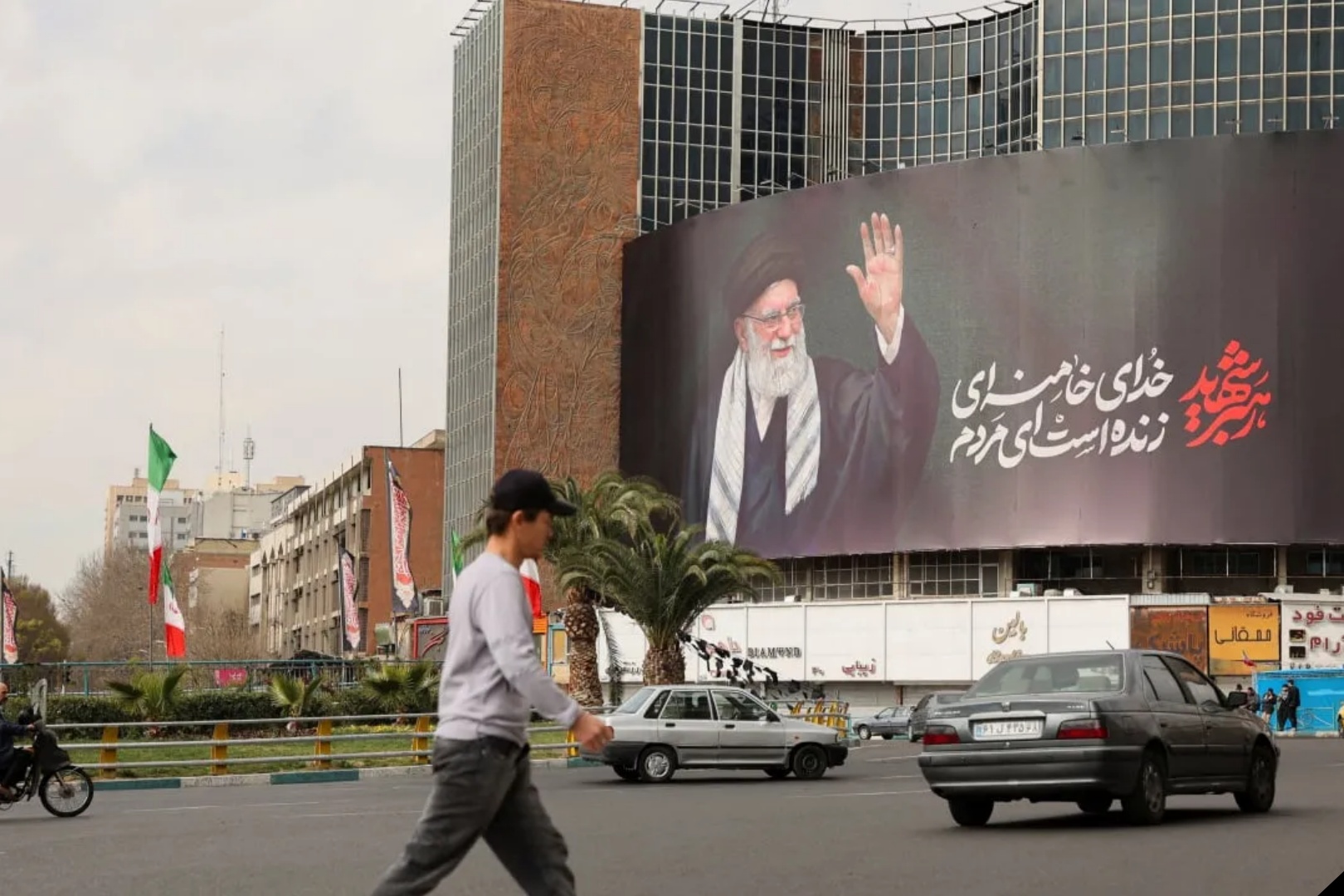 How was Khamenei’s assassination achieved?
The operation, codenamed Operation Roaring Lion, culminated in a coordinated missile attack on the compound where Khamenei was believed to be meeting senior figures. According to the Financial Times, Israeli forces fired 30 Sparrow missiles at the site. Aircraft were deployed during daylight hours in what the report describes as a move designed to achieve tactical surprise despite heightened alert levels inside Iran.
As part of the strike strategy, cellular towers in the area were reportedly disrupted. This interference prevented security personnel from receiving warning calls, reducing the likelihood of last-minute evacuation or defensive mobilisation. The combination of signals intelligence, digital surveillance and human verification formed the backbone of the mission.
The report also traces the roots of Mossad Iran operations back more than two decades. Planning for intensified focus on Iran allegedly began in 2001, when then–Prime Minister Ariel Sharon directed Israel’s intelligence services to prioritise Iran as a central strategic target.
If confirmed, the details outlined in the Financial Times investigation highlight the growing integration of AI surveillance in modern intelligence operations. They also underscore how digital infrastructure, including urban traffic systems, can be exploited for high-level geopolitical missions.
Neither Israeli nor Iranian authorities have publicly provided detailed confirmation of the operational specifics described in the report. However, the account offers one of the most comprehensive depictions to date of how technology, intelligence collaboration and long-term strategic planning may have converged in the Khamenei assassination.