Man Carries Sister’s Skeleton to Bank in India to Prove Death
Odisha Incident Sparks Debate After Man Presents Sister’s Remains at Bank

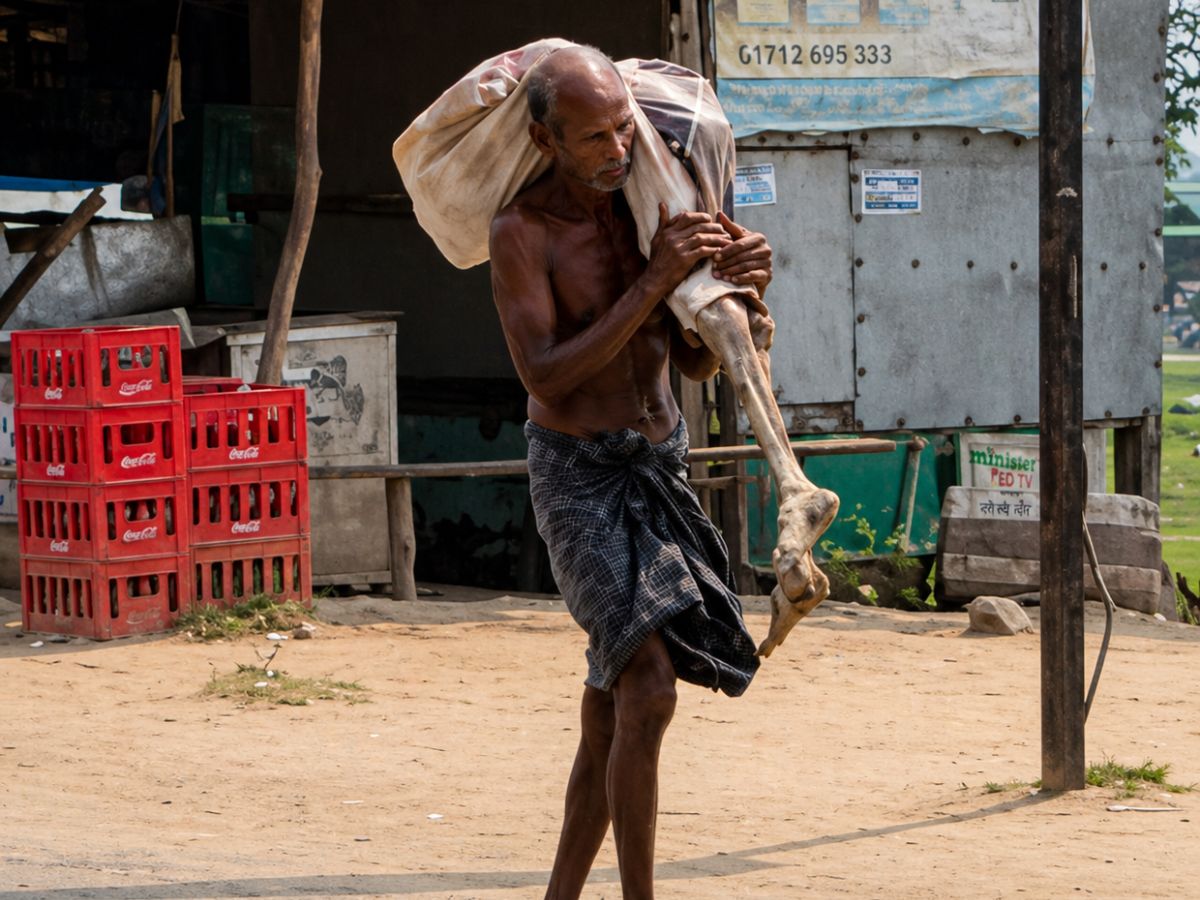 Odisha has become the focus of national attention after an unusual incident involving a man who attempted to prove his sister’s death in order to access her bank funds.
According to local reports, the man, Jitu Munda, had been trying to withdraw about ₹19,300 Indian rupees from his late sister, Kala Munda’s account. He said the funds were needed after her passing.
However, he claimed bank officials insisted that the account holder must be physically present to authorize the transaction. His explanation that his sister had died was reportedly not accepted.
After repeated attempts, the situation escalated. In a move that has shocked many, the man is said to have exhumed his sister’s remains and taken them to the bank as proof of her death.
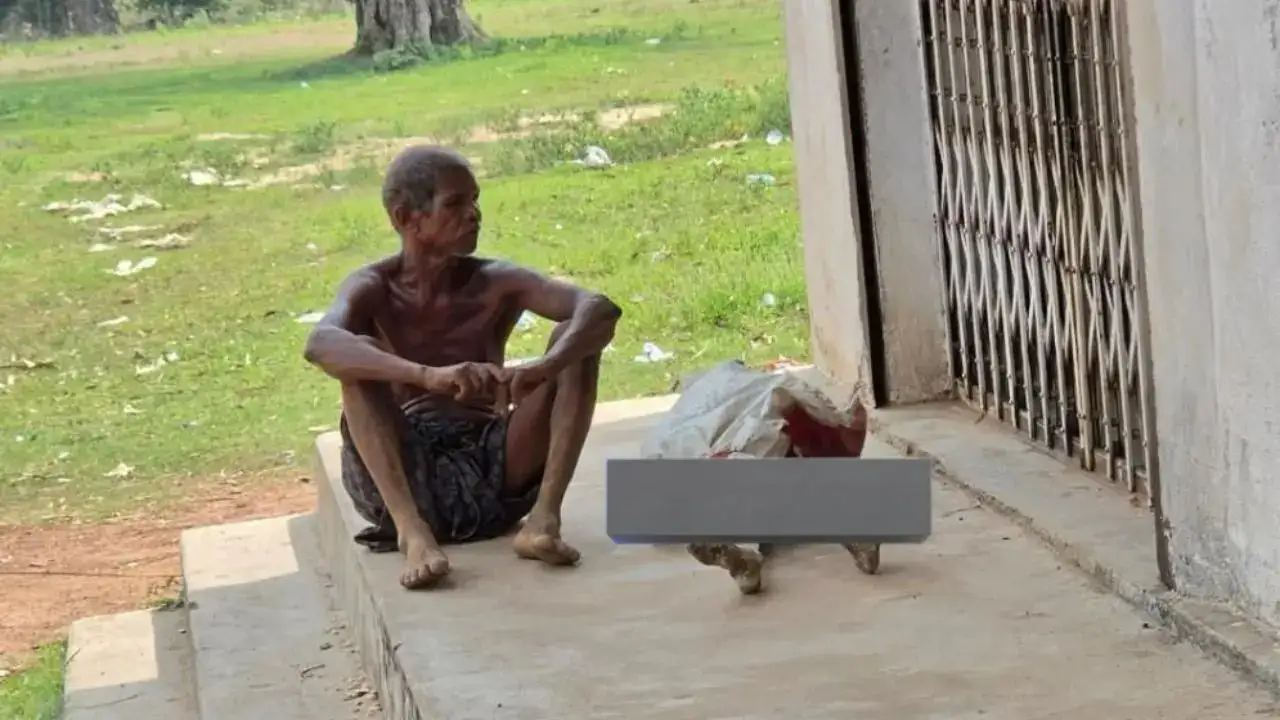 The incident has triggered widespread discussion. Many observers are questioning how the situation reached that point and whether proper procedures were followed.
In most cases, banks require official documents such as a death certificate or legal authorization before releasing funds from a deceased person’s account. Physical presence is not typically expected.
The case has raised concerns about bureaucratic rigidity and access to financial services during sensitive situations. It also highlights the challenges families may face when navigating formal systems after the death of a relative.
Public reaction has been mixed. Some see the act as a sign of deep frustration, while others point to the need for clearer processes and better communication between institutions and customers.
Authorities are yet to provide full details on the incident. As attention grows, the situation continues to fuel debate about accountability, procedure, and how institutions respond in complex human situations.