HIV Infections to Surge as UK and US Slash Funding
Global HIV Crisis Looms: Foreign Aid Cuts Could Trigger Millions of Deaths by 2030
 Global efforts to combat HIV/AIDS face a major setback as significant foreign aid cuts threaten to undo decades of progress, a new study warns. Published in The Lancet HIV, the research predicts a sharp rise in infections and deaths if donor countries continue reducing financial support.
The study estimates that between 4.4 million and 10.8 million additional HIV infections could occur in low and middle-income countries by 2030. Additionally, up to 2.9 million HIV-related deaths among children and adults could be recorded within the same timeframe.
Major Donors Cutting HIV Funding
Since 2015, international donors have contributed 40% of all HIV funding in low and middle-income countries. However, five key donor nations—the UK, US, France, Germany, and the Netherlands—are all reducing their foreign aid budgets, leading to a projected 24% drop in global HIV funding by 2026.
The UK, under Sir Keir Starmer’s leadership, recently announced a cut in overseas aid from 0.5% to 0.3% of gross national income over the next two years to fund defense spending. This decision resulted in Anneliese Dodds’ resignation as international development minister.
Similarly, the US has paused most foreign aid spending under President Donald Trump, withdrawing from the World Health Organization and cutting funds for PEPFAR (the President’s Emergency Plan for AIDS Relief) and USAID-supported HIV programs.
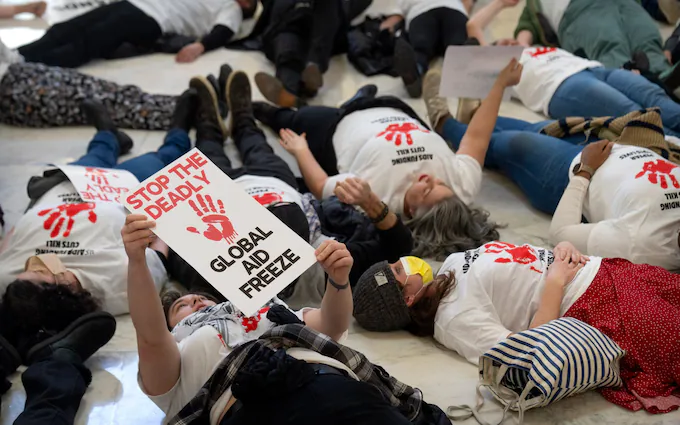 Consequences of Aid Reductions
According to Dr. Debra ten Brink of the Burnet Institute in Australia, the impact of these funding cuts is already being felt, as HIV testing, prevention, and treatment services are being disrupted.
“If other donor countries follow suit, decades of progress to treat and prevent HIV could be unraveled,” Dr. ten Brink warned.
The consequences could be particularly devastating in sub-Saharan Africa, where many HIV programs rely heavily on international aid.
Calls for Sustainable HIV Financing
Experts are urging governments to prioritize global health funding despite economic pressures. A spokesperson for the UK Foreign, Commonwealth & Development Office reassured that the UK remains committed to tackling global health challenges, emphasizing that investing in HIV prevention and treatment also supports global stability and economic growth.
However, without urgent international action, the world risks seeing HIV infection and death rates return to early 2000s levels, undermining decades of medical advancements.