Two Teens Crawl Out of Myanmar Earthquake Rubble Using Phone Light
63-Year-Old Woman Rescued Alive After Four Days as Death Toll Rises to 2,719

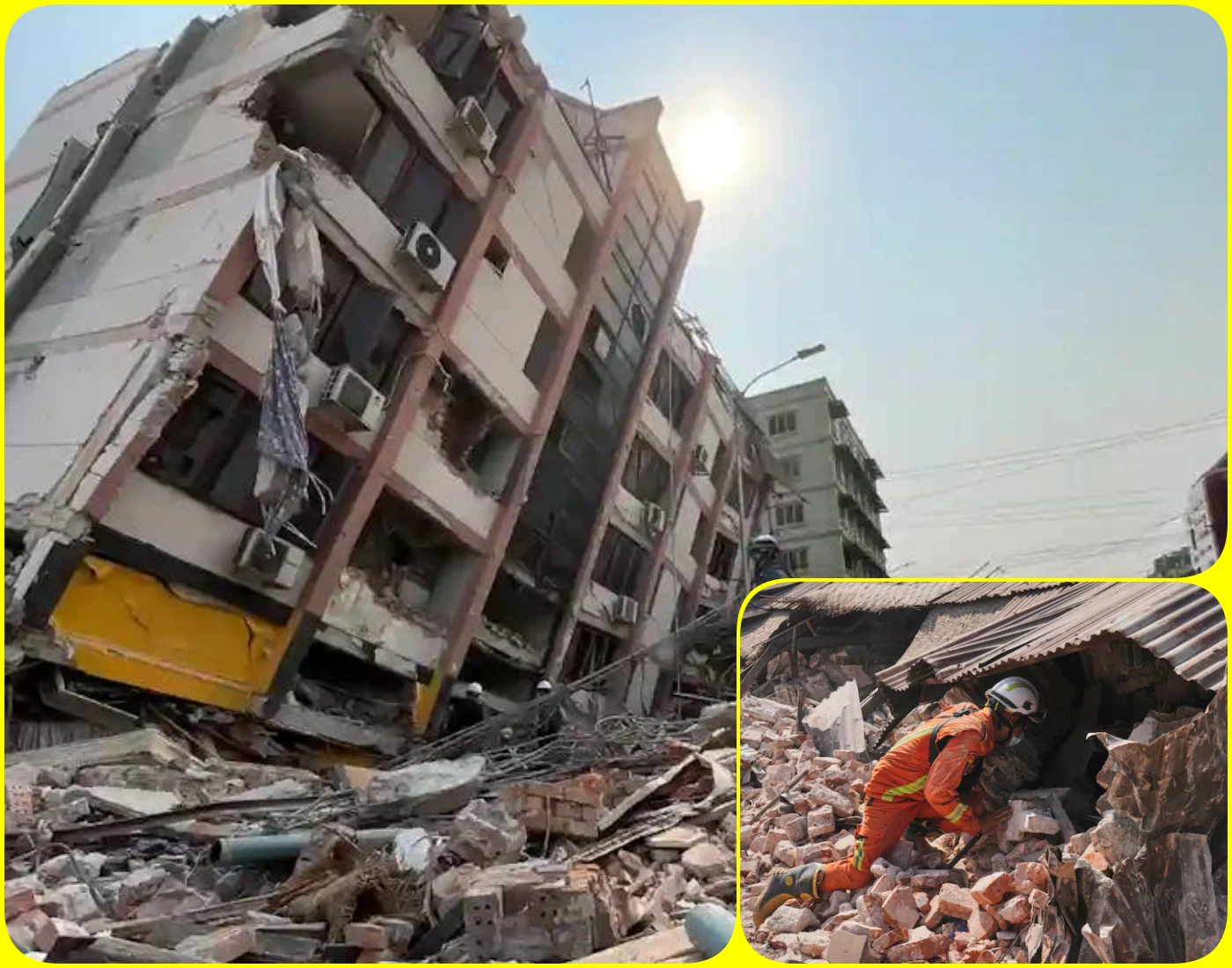 Rescue workers in Naypyidaw, Myanmar, pulled a 63-year-old woman alive from the rubble on Tuesday, nearly four days after a 7.7-magnitude earthquake devastated the country.
The dramatic rescue, which occurred 91 hours after the quake, offers a rare glimmer of hope as officials warn that the window for finding more survivors is closing.
Myanmar’s military government leader, Senior Gen. Min Aung Hlaing, confirmed that the official death toll has reached 2,719, with 441 people still missing.
The earthquake, one of the deadliest in the region’s history, has flattened over 10,000 buildings and triggered widespread destruction. The tremors were so powerful that they caused a high-rise construction collapse in Thailand, killing 21 people.
The Myanmar Fire Brigade, alongside rescue teams from India, China, and Russia, worked tirelessly to save the elderly woman from the debris.
Meanwhile, four additional survivors—including a five-year-old child and a pregnant woman—were rescued from the collapsed Sky Villa apartment complex on Monday.
Astonishingly, two teenagers managed to crawl out of the rubble using their phone flashlights, leading rescue workers to locate their grandmother and sibling.
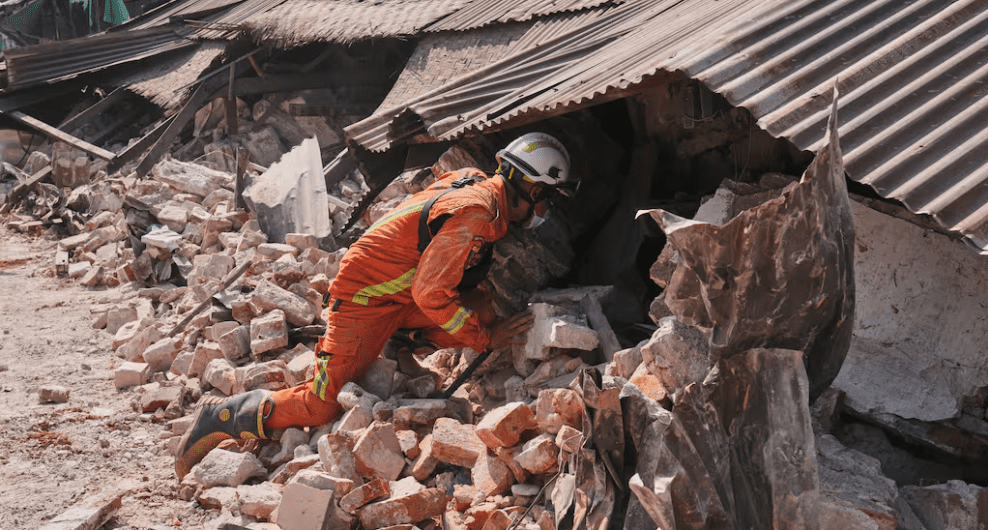 International Response Amid Political Unrest
Countries including Russia, China, India, the UAE, and Southeast Asian nations have dispatched rescue teams and aid. However, an American relief team has yet to arrive.
The disaster’s impact has been worsened by Myanmar’s ongoing civil war, following the 2021 military coup. Amnesty International has accused the military of continuing airstrikes in earthquake-affected areas, complicating rescue operations.
“You can’t ask for help while bombing at the same time,” said Joe Freeman, Amnesty International’s Myanmar researcher. “Attacking civilians in the same area where the earthquake occurred is cruel and shows a blatant disregard for human rights.”
UN: “The Need for Aid Grows Every Hour”
After visiting one of the hardest-hit regions, Julia Rees of UNICEF described the mass devastation and severe psychological trauma suffered by survivors.
“The tremors are still ongoing. Rescue and search efforts continue, but the chance of finding survivors is fading,” Rees warned. “The demand for aid is increasing every hour.”
As aftershocks continue, the focus now shifts to:
- Rescue operations – With over 400 people still missing, search teams race against time.
- Humanitarian aid – Thousands have been displaced, and urgent medical and food supplies are needed.
- Reconstruction efforts – The earthquake has left entire communities leveled, requiring long-term rebuilding plans.